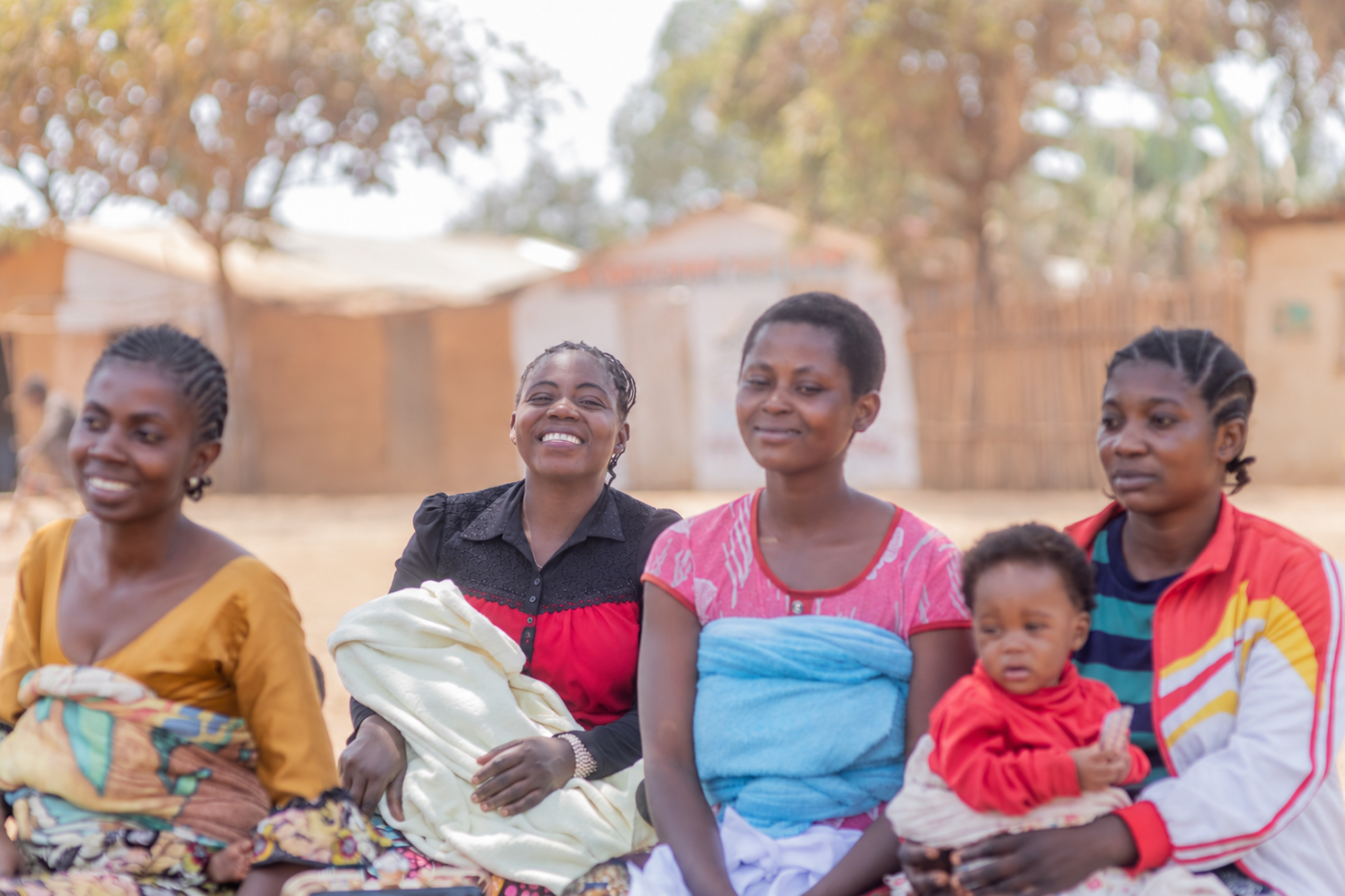
Across humanitarian settings, mental health and psychosocial support (MHPSS) services are operating under increasing pressure. Funding is becoming more constrained and less predictable, while the needs of people affected by conflict and displacement remain significant.
This World Mental Health Day, the theme Lived Experiences Heard: Real Voices, Real Change calls attention to listening to people with lived experience of mental health challenges beyond the limits of the private setting and extending it to shaping the policies, services and support intended for them.
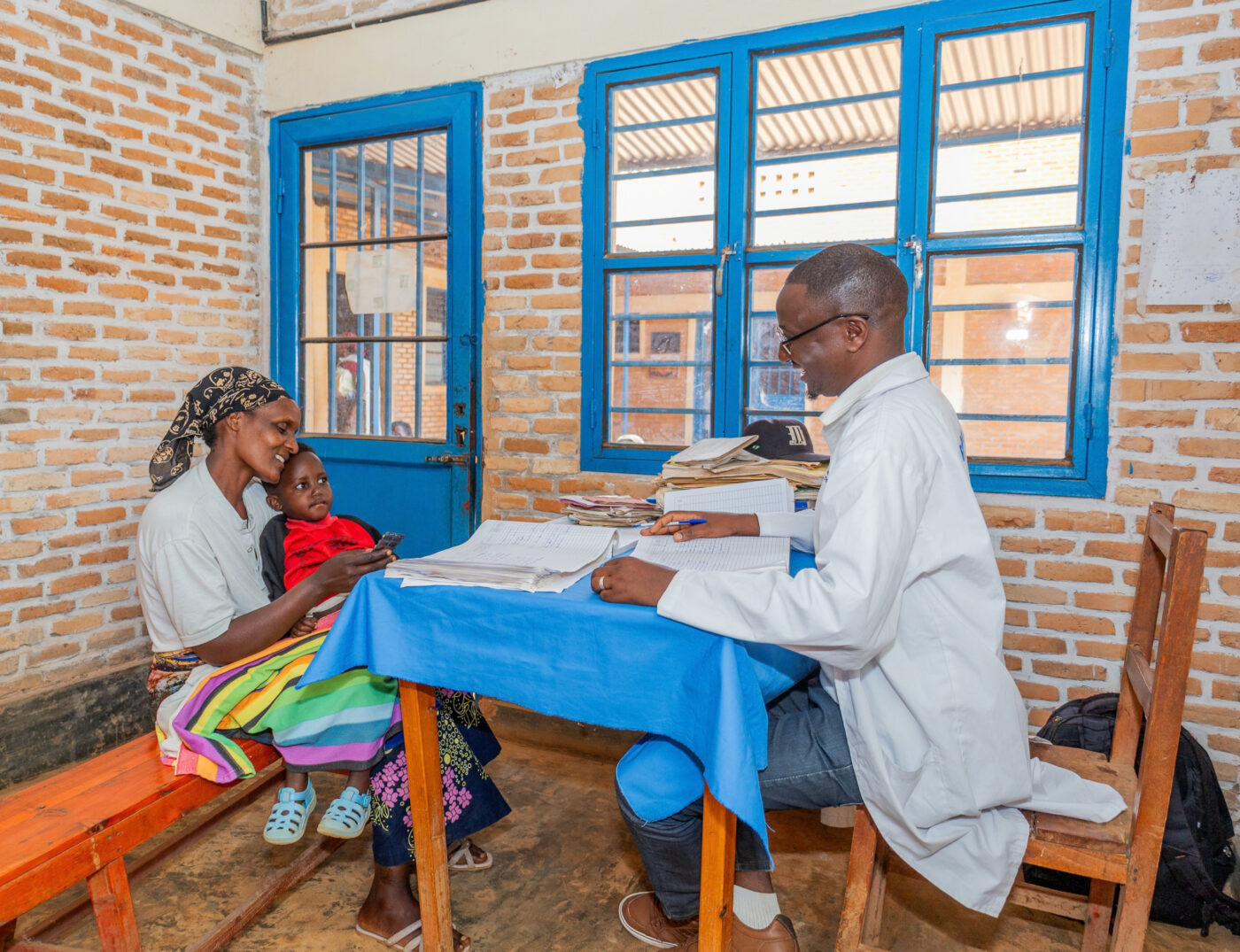
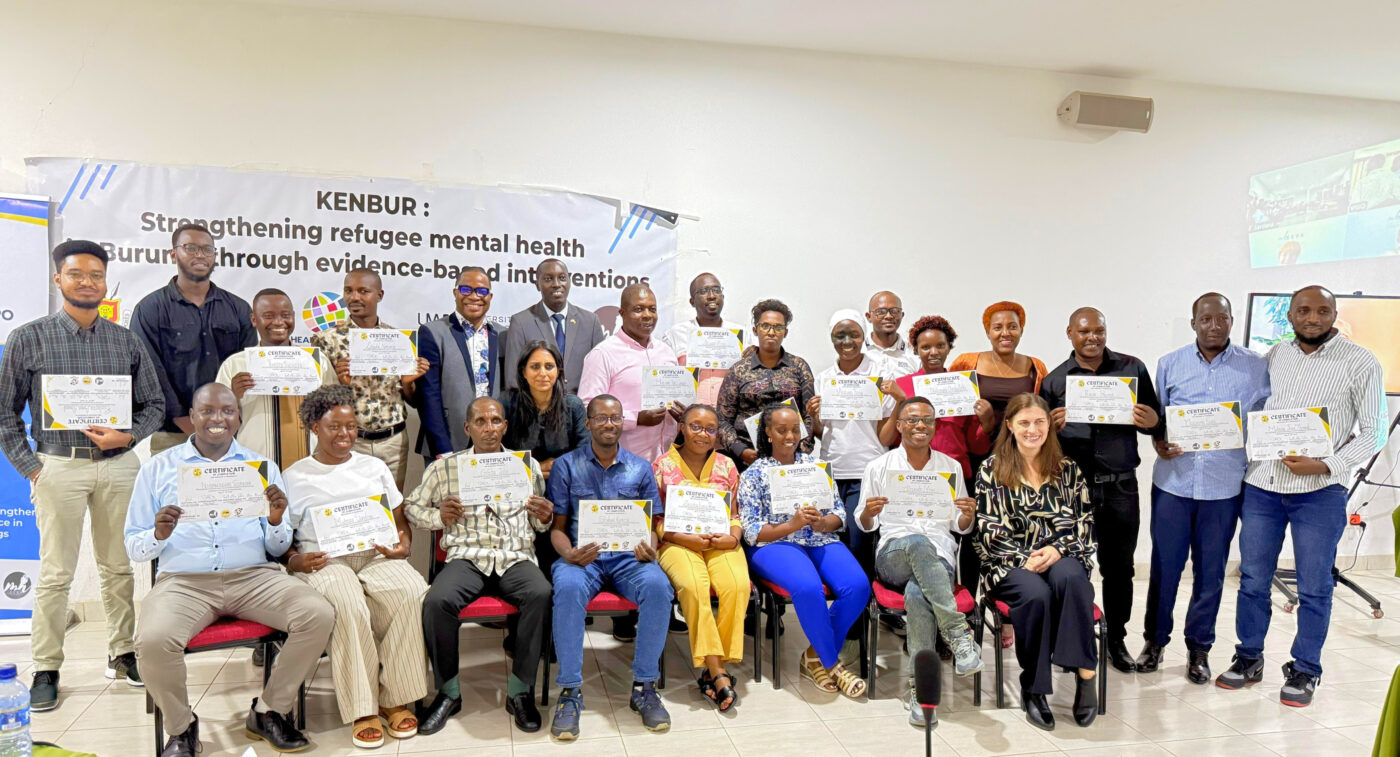
In Burundi, HealthNet TPO provides healthcare and MHPSS services to refugees and asylum seekers. For Jean Arnaud Muhoza, an MHPSS expert with HealthNet TPO, listening starts with understanding mental health within the wider reality of people’s lives.
“Many of the refugees and asylum seekers we support arrived with the hope of finding the peace and security they were missing in their countries of origin, as well as the hope of building a better life,” he explains.
Today, some of those hopes have become increasingly uncertain. Opportunities for resettlement have reduced, while support available to refugees has also decreased. At the same time, many people are struggling to meet basic needs, including access to sufficient food and, in some places, water.
“It is difficult to talk about psychological wellbeing when people are struggling to meet their most fundamental needs,” Arnaud says. “These pressures affect not only individuals but also families and communities, increasing stress and sometimes creating tensions within households and communities.”
Mental health does not exist in isolation
For Arnaud, this is one of the reasons why responding to mental health needs cannot be the responsibility of MHPSS services alone.
Mental health cannot be separated from the conditions in which people live. MHPSS services are important, but they cannot solve problems such as food insecurity, lack of water, inadequate living conditions or uncertainty about the future on their own.
This means coordinating mental health support with other services, but it also means listening to refugees and asylum seekers themselves when deciding what support should look like.
At community level, Arnaud argues that refugees and asylum seekers should be involved in identifying priorities and developing solutions. At service level, sufficient and well-trained staff, regular supervision, evidence-based interventions and effective referral systems are needed to provide continuous care.
That continuity is particularly important in mental healthcare, where support is often built around relationships and trust.
When uncertainty affects continuity of care
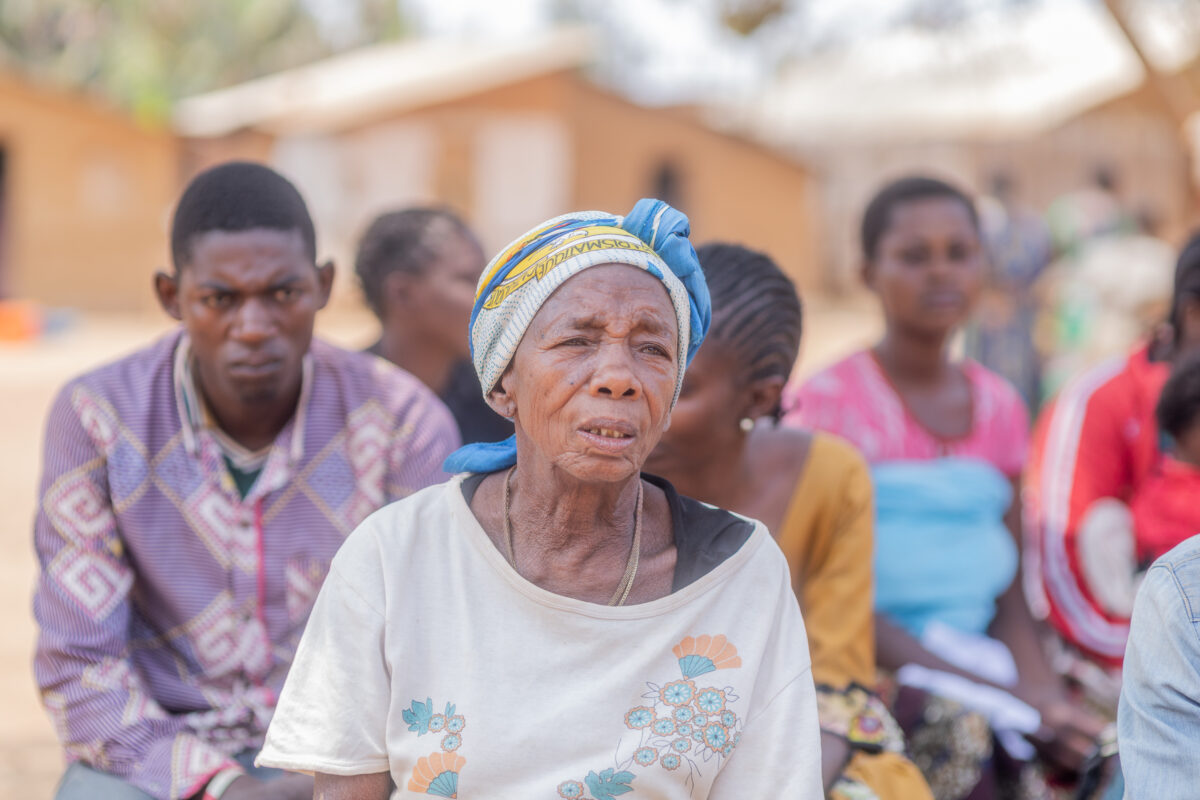
Uncertainty about future funding can have consequences that are less immediately visible than the closure or reduction of a service.
“The activities and needs do not disappear when funding becomes uncertain,” Arnaud explains. “If anything, the needs often remain or increase. The difficulty is that it becomes harder to plan and provide continuous care.”
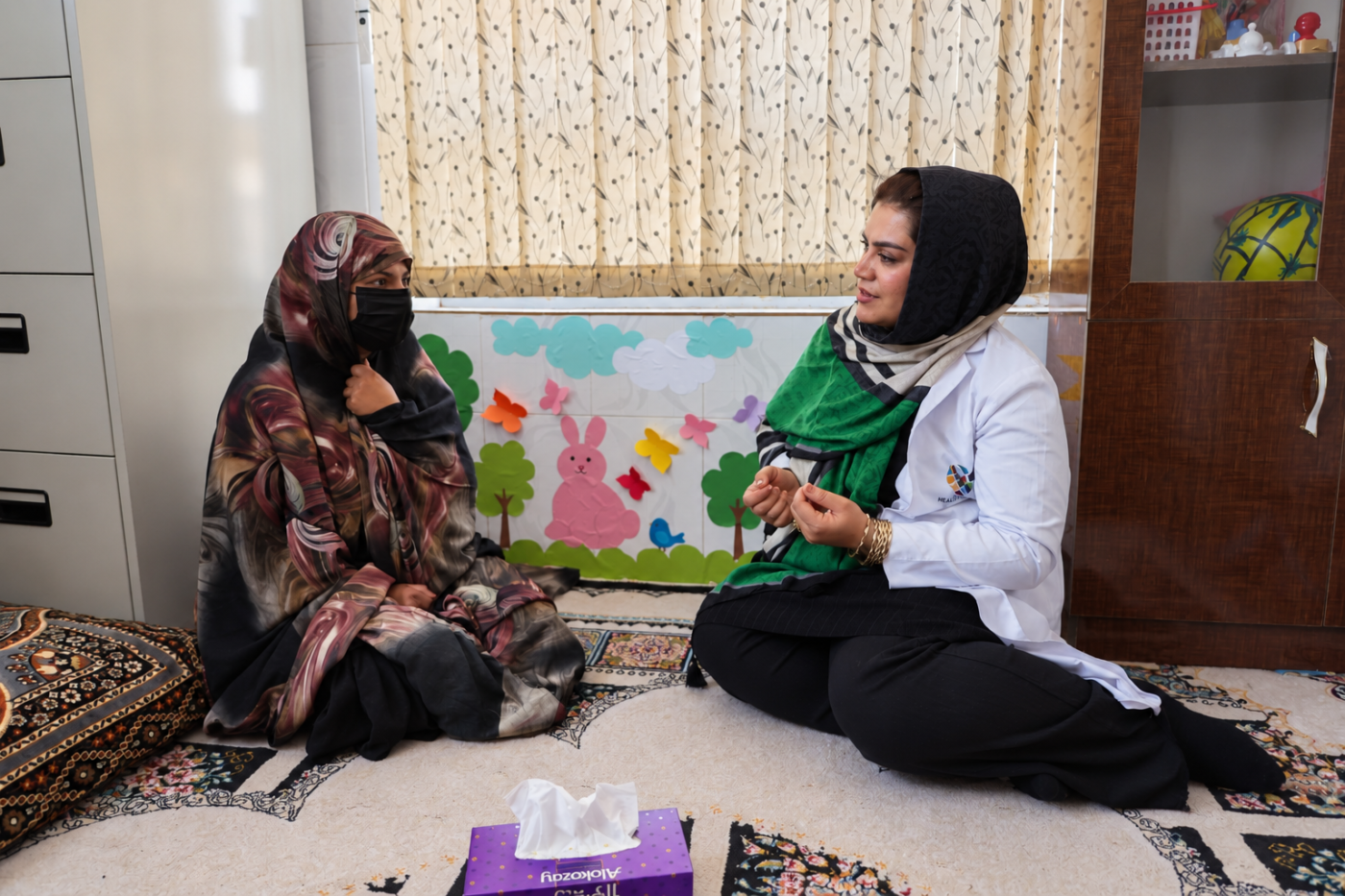
For a therapist, this can mean having to decide whether to start a longer therapeutic process without knowing whether the programme will continue long enough to complete it. Causing therefore harm in the process.
“Starting therapy creates expectations and, more importantly, a therapeutic relationship. Ending that process prematurely can be difficult for both the client and the practitioner.”
When programmes change or another organisation or team takes over, people may need to be referred to a different professional. While sometimes necessary, this can mean gaps in accessing support, having to build a new relationship of trust, and adapting to a different therapeutic approach. It can also create feelings of abandonment or a sense that the progress already made in their therapeutic process is being disregarded.
“For someone already living with uncertainty and repeated losses, another interruption in an important relationship can be particularly difficult,” Arnaud says.
The pressure is also felt by the people providing the support. In some settings, according to Arnaud, one MHPSS staff member may be responsible for supporting a population of more than 15,000 refugees. Practitioners may also be providing care while facing uncertainty about the future of their own programmes and positions.
Listening as part of the response
Against this backdrop, listening to lived experience is more than an opportunity to hear people’s stories. It can help determine whether services respond to the realities of people’s lives.
“Listening carefully helps practitioners and organisations understand what people actually need rather than assuming what those needs are,” Arnaud says.
It also challenges a tendency to define people affected by displacement primarily by what they have lost or what they need.
“Many of the people we support had a better life before displacement. They had families, plans, work, homes and hopes for the future. Their circumstances changed, but their right to dignity did not.”
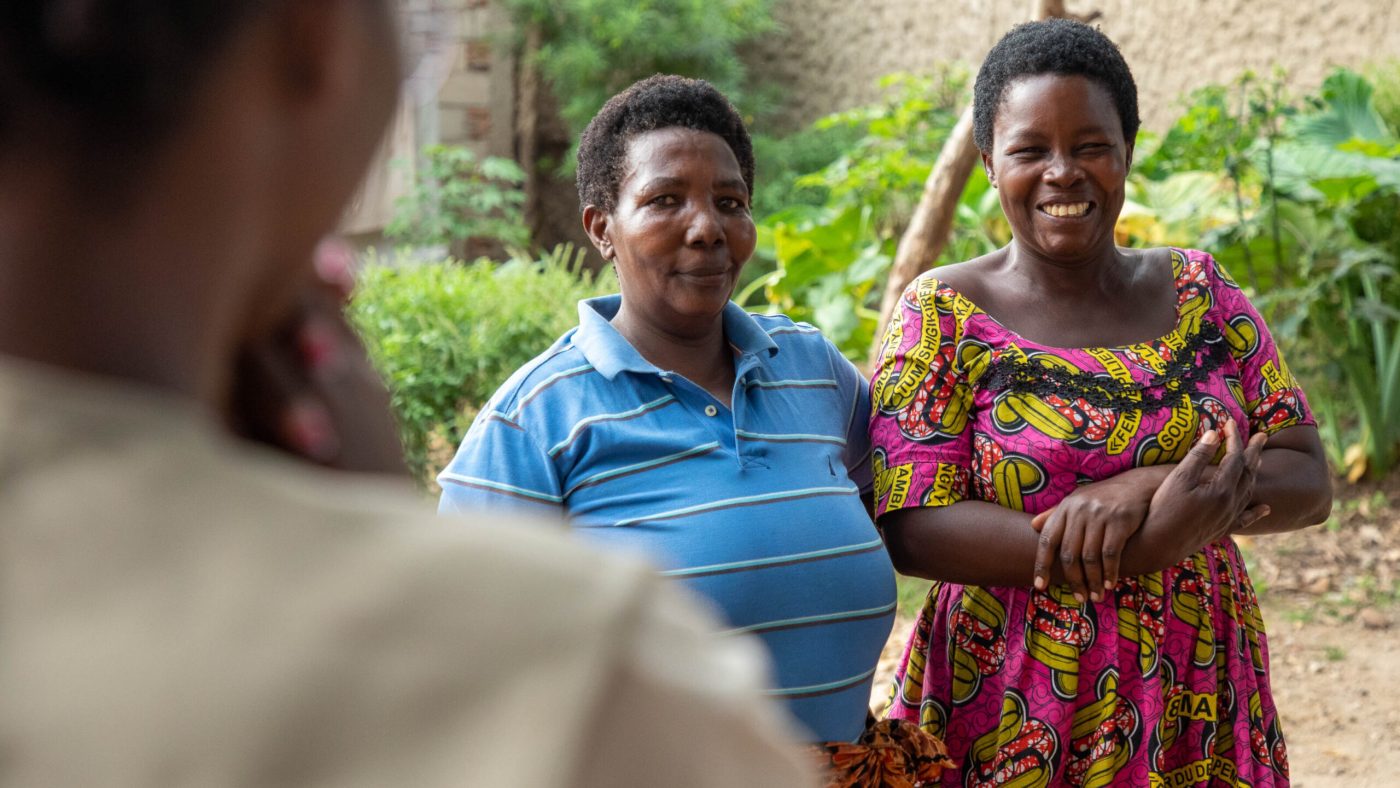
Refugees and asylum seekers bring their own experiences, strengths and aspirations, and should be able to participate in decisions that affect their lives. For Arnaud, listening is therefore not simply a therapeutic technique.
“It is also a way of ensuring that services remain relevant, respectful and centred on human dignity.”
This becomes particularly important at a time when difficult choices are being made about humanitarian resources. Listening to people about what they need must be accompanied by the capacity to respond: through community-based support, skilled MHPSS professionals, coordination with other services and funding that allows care to continue beyond the immediate crisis.
Ultimately, mental health support cannot address every challenge people face after displacement. But it can be part of a broader response that recognises those realities rather than treating mental health in isolation.
As Arnaud puts it: “The people we support need more than mental health interventions alone. They need safety, dignity, access to basic needs, hope and continuity.”
Providing that continuity requires sustained support. Your donation can help HealthNet TPO continue providing mental health and psychosocial support alongside essential healthcare in communities affected by conflict and displacement.