Afghanistan
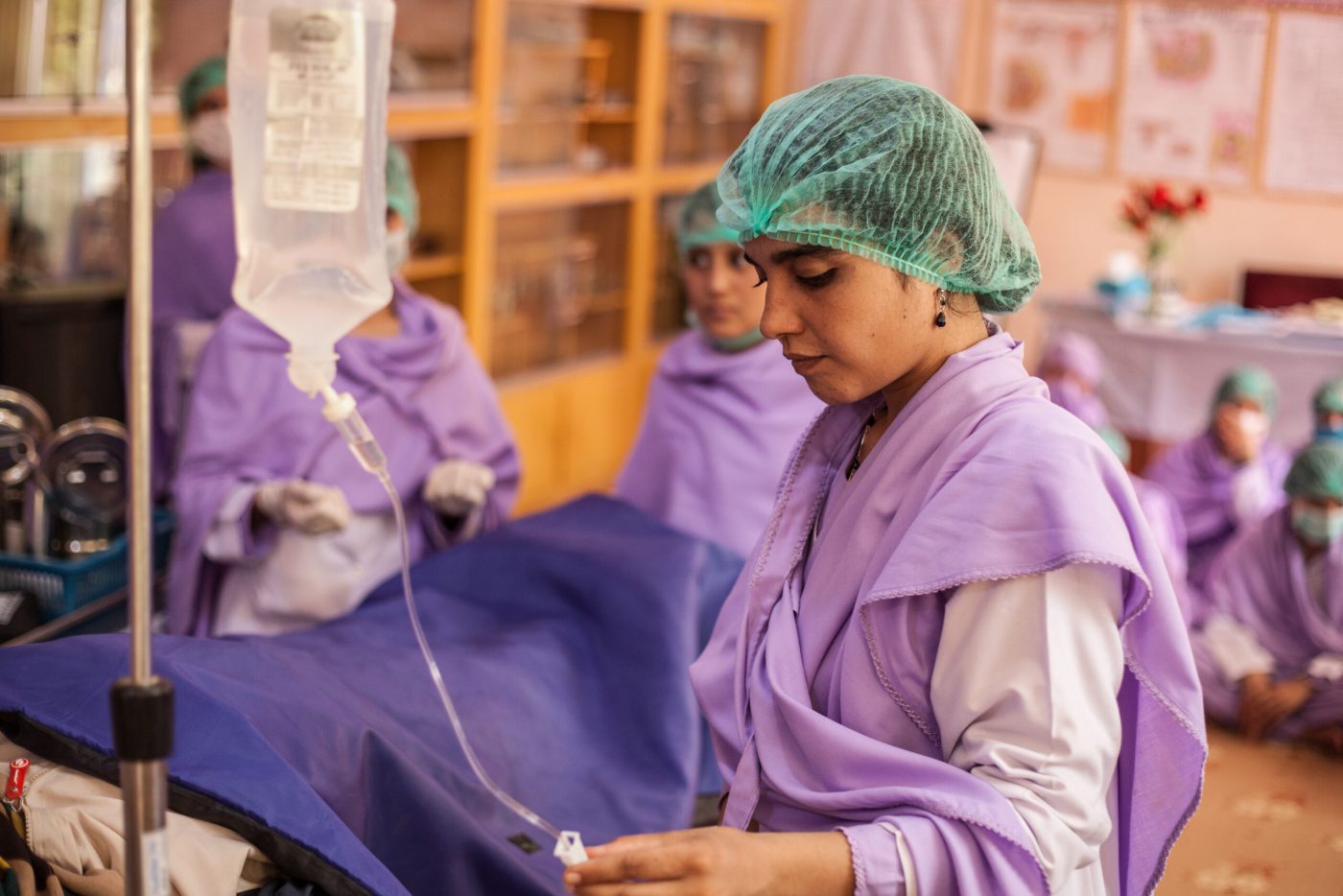


Afghanistan continues to face a major humanitarian crisis, shaped by decades of conflict, economic hardship, displacement and recurring natural disasters. In 2026, an estimated 21.9 million people, close to half the population, require humanitarian assistance. These challenges continue to affect people’s access to essential services and opportunities to recover and rebuild their lives.
Afghanistan’s health system made significant progress over the past two decades, but it remains under severe pressure. A reduction in international funding, shortages of qualified health workers and the growing needs of the population are putting essential services at risk, particularly in remote and underserved areas. For many communities, accessing timely and essential healthcare remains a significant challenge.
Earthquakes, floods, drought and other climate-related shocks continue to affect communities across the country, damaging homes, livelihoods and essential infrastructure. At the same time, large-scale returns from neighbouring countries are placing additional pressure on already stretched services. Food insecurity and malnutrition remain major concerns, particularly for children and pregnant and breastfeeding women.
Restrictions by de facto authorities have severely limited women’s and girls’ rights, including education, movement, and work opportunities, leading to increased gender-based disparities and social injustices. HealthNet TPO has worked in Afghanistan since 1994, supporting communities through healthcare, mental health and psychosocial support, nutrition and other essential services.
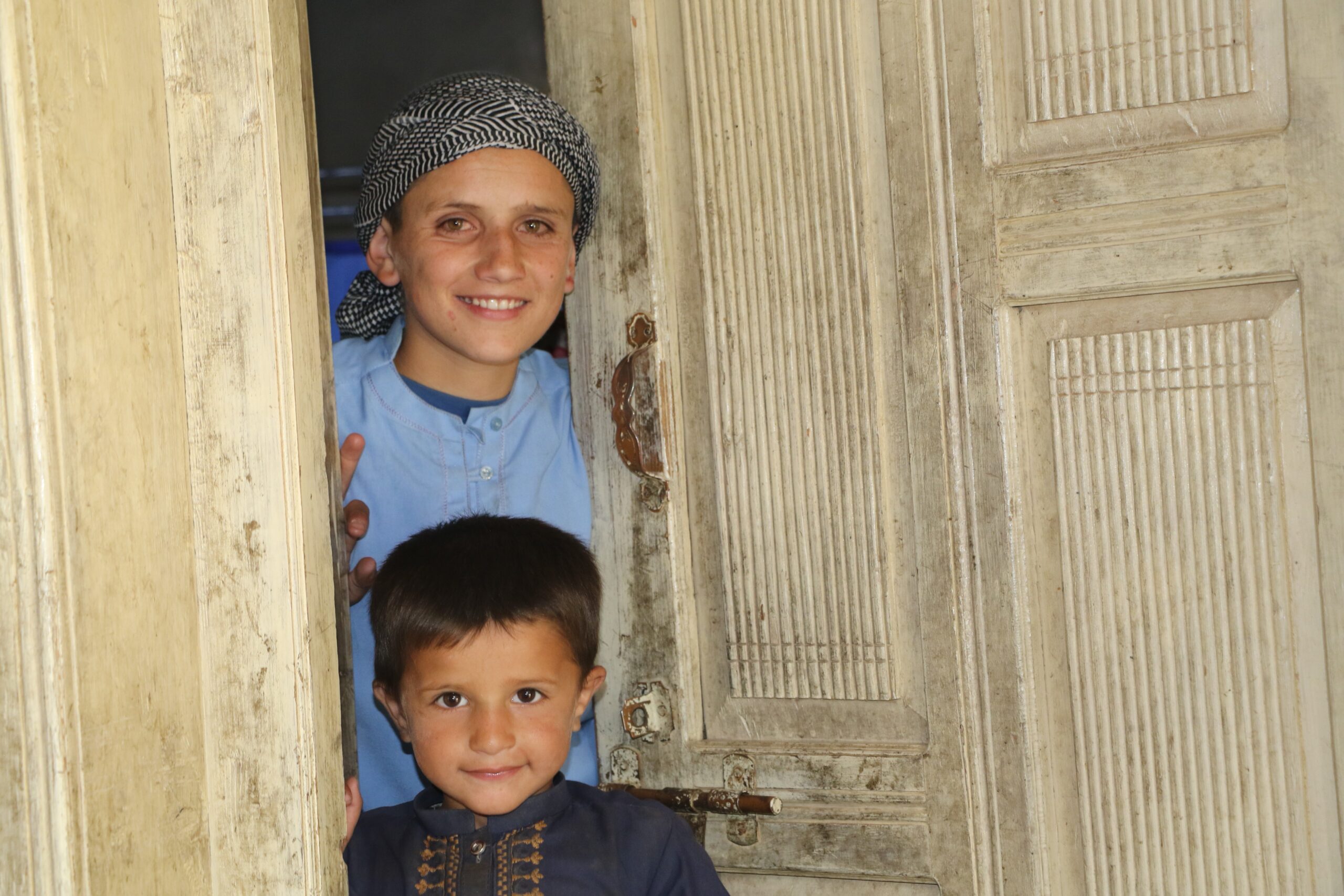
people received healthcare through our health facilities.
people received mental health and psychosocial services.
children were treated for severe malnutrition.
women supported by skilled birth attendants.
I depended entirely on my sons, who already struggle to provide for our family. But after my eye surgery, I can finally see again. Regaining my sight transformed my life and the one of my family.— Mauladad, 65-year-old farmer from rural Afghanistan, participant in the Accessible Eye Health Care Project
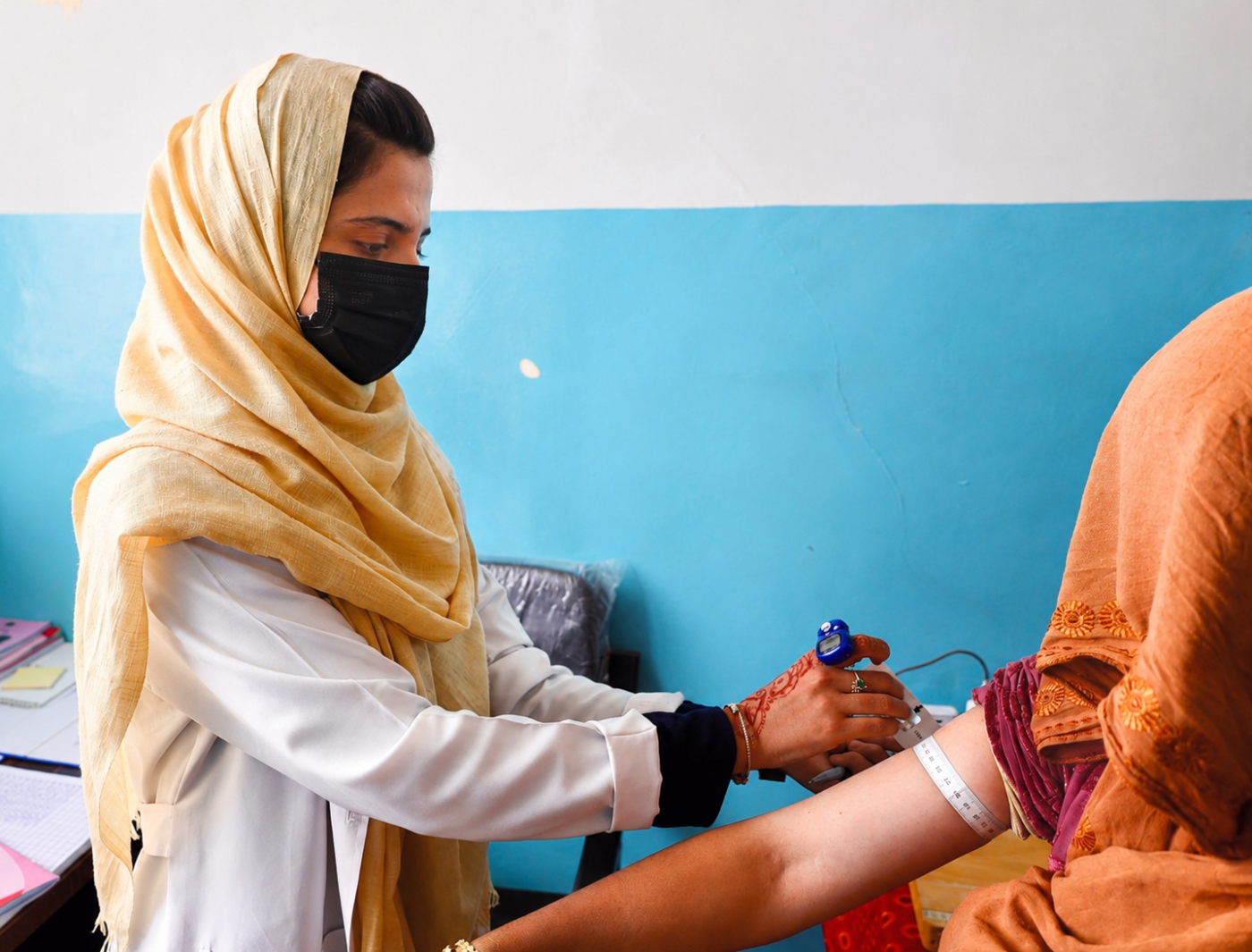
Access to quality healthcare for all remains a problem in Afghanistan. Since 1995, we have been strengthening and supporting the health system to improve the health and wellbeing of the population.
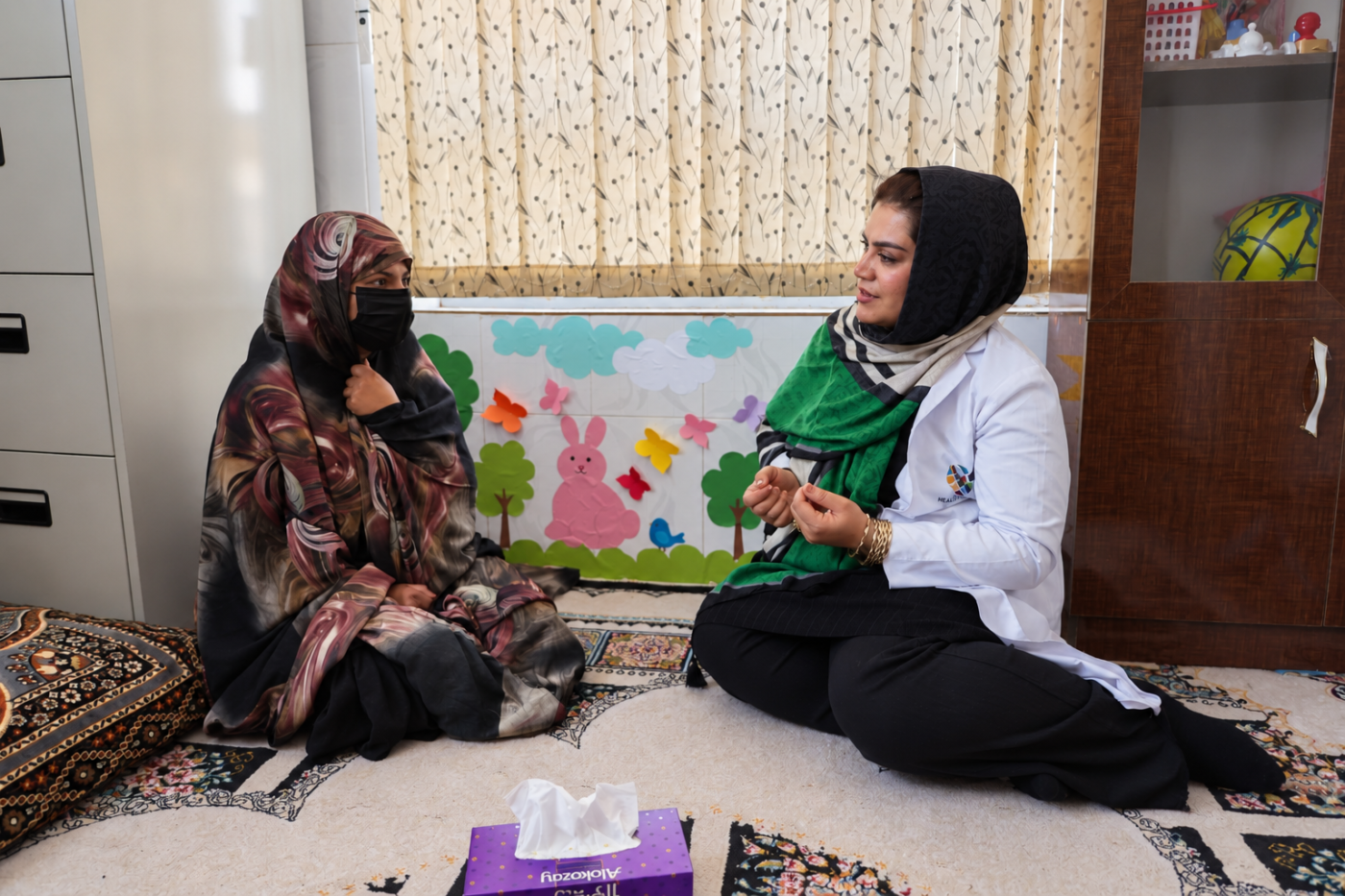
By strengthening mental health and psychosocial support services, HealthNet TPO wants to improve the mental health and psychosocial wellbeing of people living in Afghanistan, particularly for women and children. There is no health without mental health.
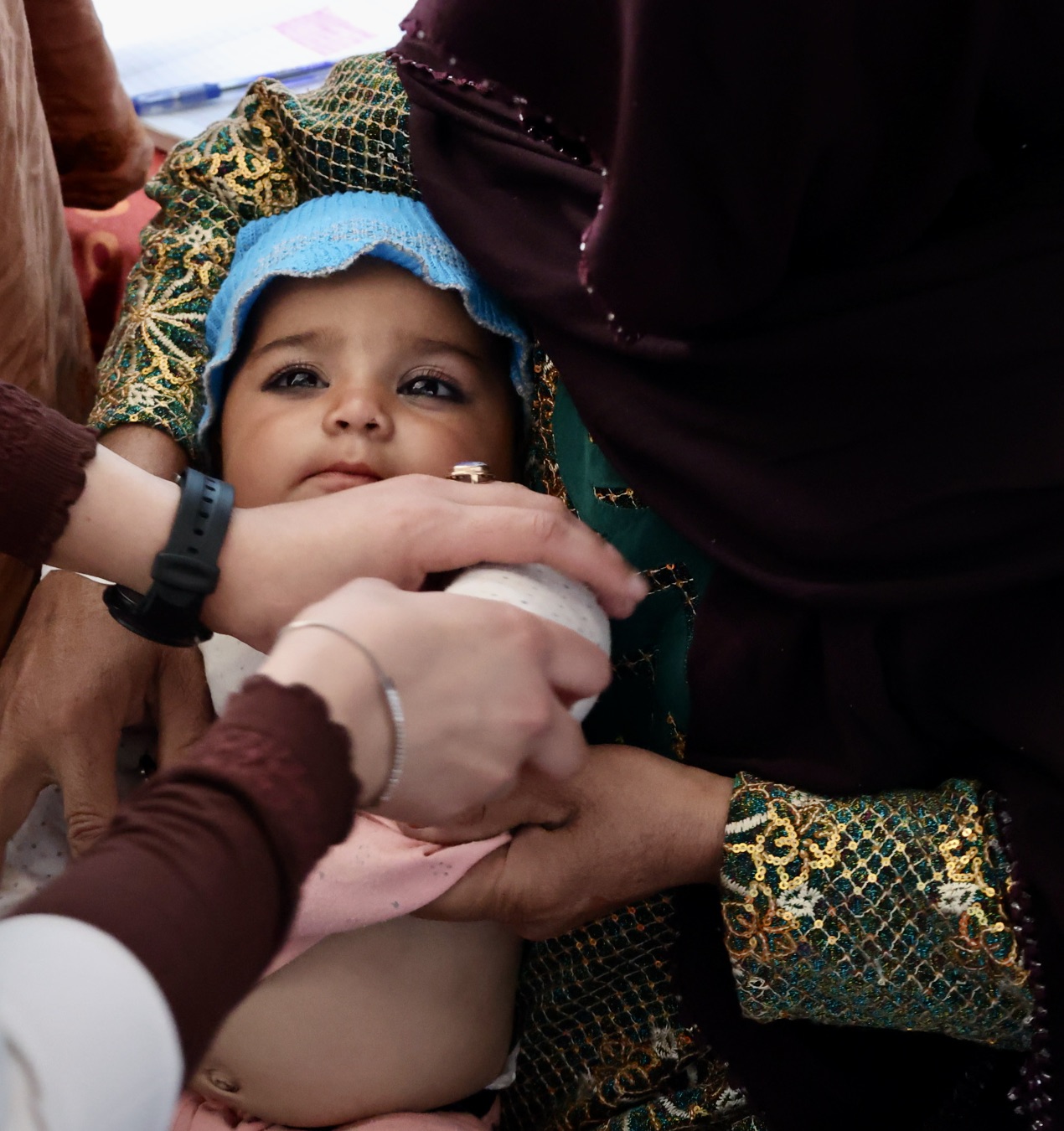
HealthNet TPO is tackling malnutrition in Afghanistan by improving access to essential nutrition services in Kabul and Khost provinces. Through prevention, treatment, and community empowerment, we are addressing the root causes of malnutrition and helping families rebuild healthier, more resilient lives.

Improving access to vital eye treatments is one of the ways that we are working with people and communities to improve health and wellbeing in Afghanistan.
While studying to become a Health Social Counsellor in Kabul, Shakiba Safi faced one of the most demanding moments of her life: the birth of her fourth child during the final weeks of training. Her determination to complete the programme reflects the commitment of health workers supporting communities across Afghanistan.