4 min read

Strengthening mental health systems through local training in Burundi

Through a new partnership focused on Interpersonal Psychotherapy (IPT), HealthNet TPO is supporting the development of sustainable, locally led mental health care for refugees and host communities in Burundi.

Interpersonal Psychotherapy Training Burundi

As violence continues to escalate in eastern Democratic Republic of Congo, Burundi is facing a significant influx of refugees. Tens of thousands of people have crossed the border in search of safety, placing immense pressure on already stretched services in refugee camps, transit sites and surrounding host communities. Alongside urgent physical health needs, the psychological impact of displacement, trauma and uncertainty is growing rapidly.

To respond to these increasing mental health and psychosocial support (MHPSS) needs, HealthNet TPO, mhSEVA lab at University of Wisconsin-Milwaukee and others partners have launched the project Strengthening evidence-based mental health response and building systems of care in refugee camps and transit sites in Burundi. The initiative focuses on strengthening local capacity to deliver evidence-based mental health care for both refugees and Burundian host communities. 

The project reflects one of HealthNet TPO’s core pillars: placing localisation and strong MHPSS systems at the centre of humanitarian response. By investing in local expertise and sustainable systems of care, the initiative aims to ensure that mental health support remains accessible long after emergency interventions end.

Building local capacity in mental health care

The project is being implemented in partnership with the University of Wisconsin Milwaukee (mhSEVA lab), UNHCR, the Ministry of Public Health and other MHPSS actors operating in Burundi. It focuses on adapting and implementing Interpersonal Psychotherapy (IPT), a WHO-recommended treatment for people affected by depression, PTSD, and other common mental health conditions in humanitarian settings.

A key objective is to reduce barriers to mental health care for refugees while strengthening the skills of local providers and expanding organisational capacity in camps, transit sites and host communities. The project specifically supports both specialised MHPSS providers and non-specialist community health workers, recognising the importance of integrating mental health support throughout the healthcare system.

Refugees and asylum seekers are particularly vulnerable to mental health challenges due to the cumulative impact of traumatic and stressful experiences associated with displacement. The IPT training is designed to equip providers with the knowledge and skills needed to deliver interpersonal therapy to refugee and asylum-seeking populations.

— Yves Faustin Nahimana, Programme Officer Burundi, HealthNet TPO
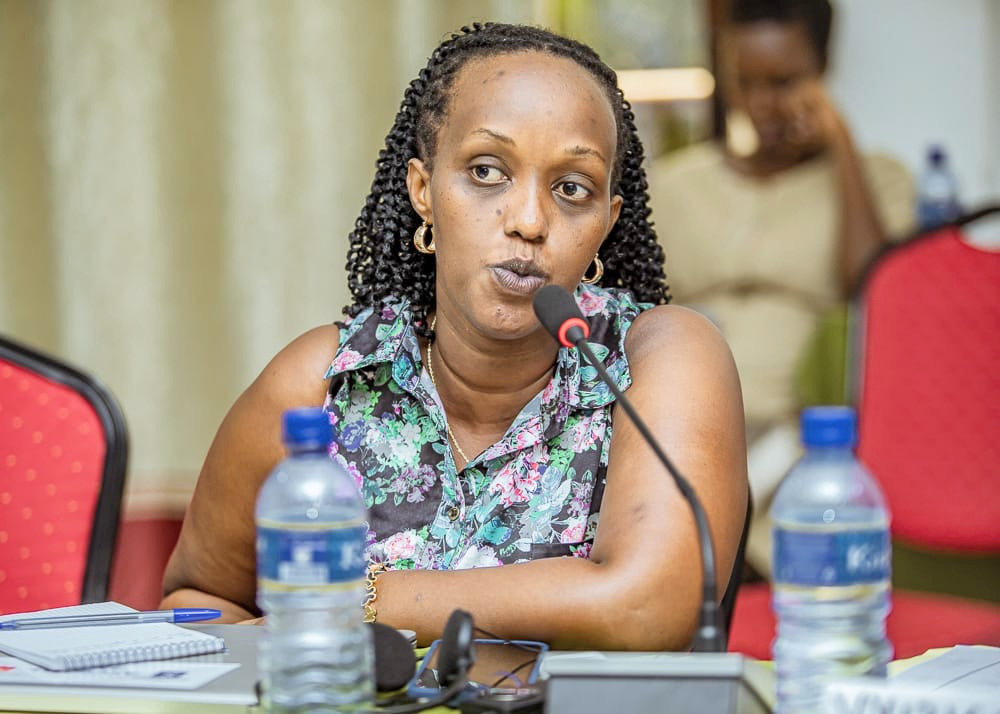
Burundian woman during Interpersonal Psychotherapy training
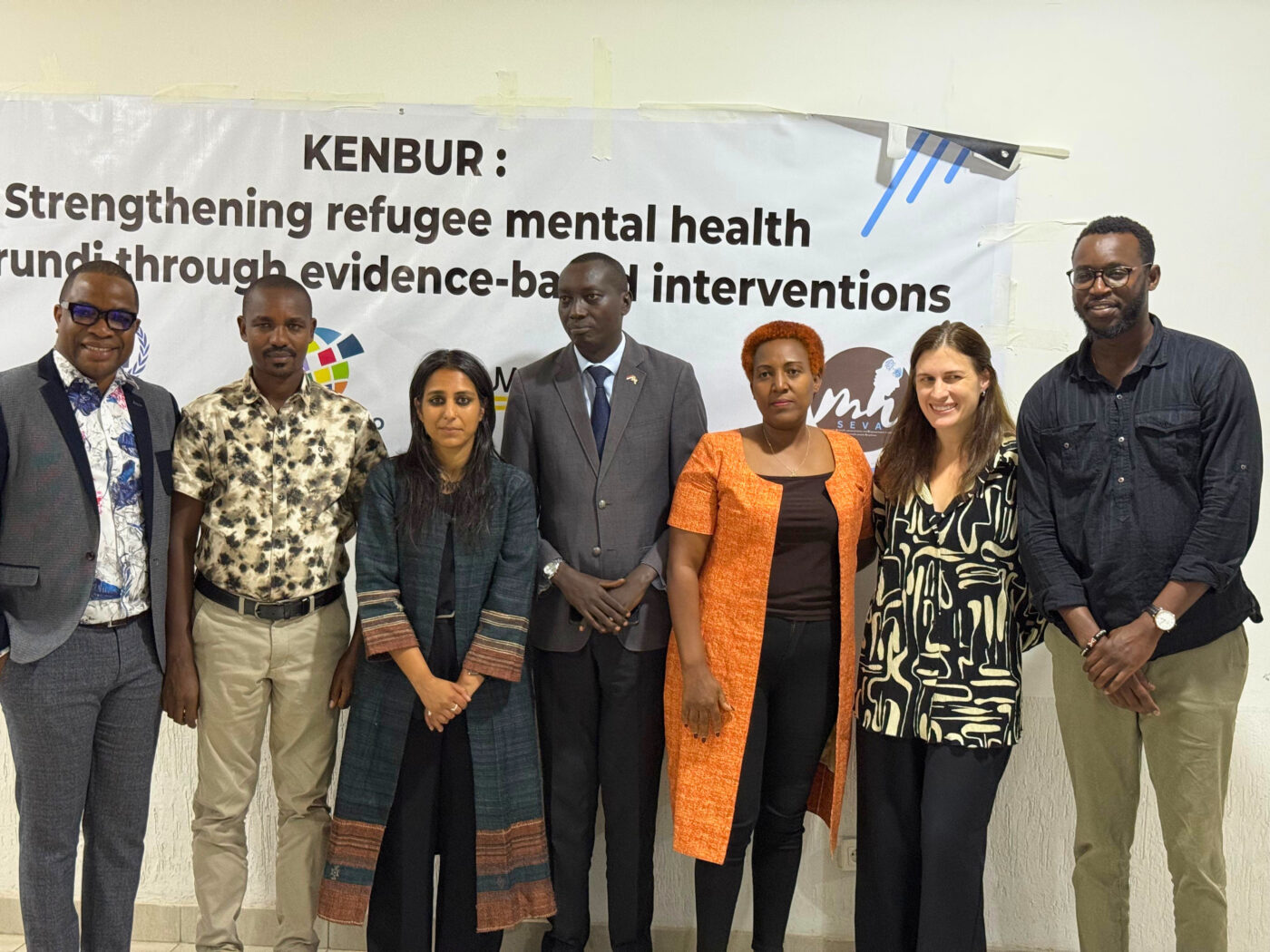
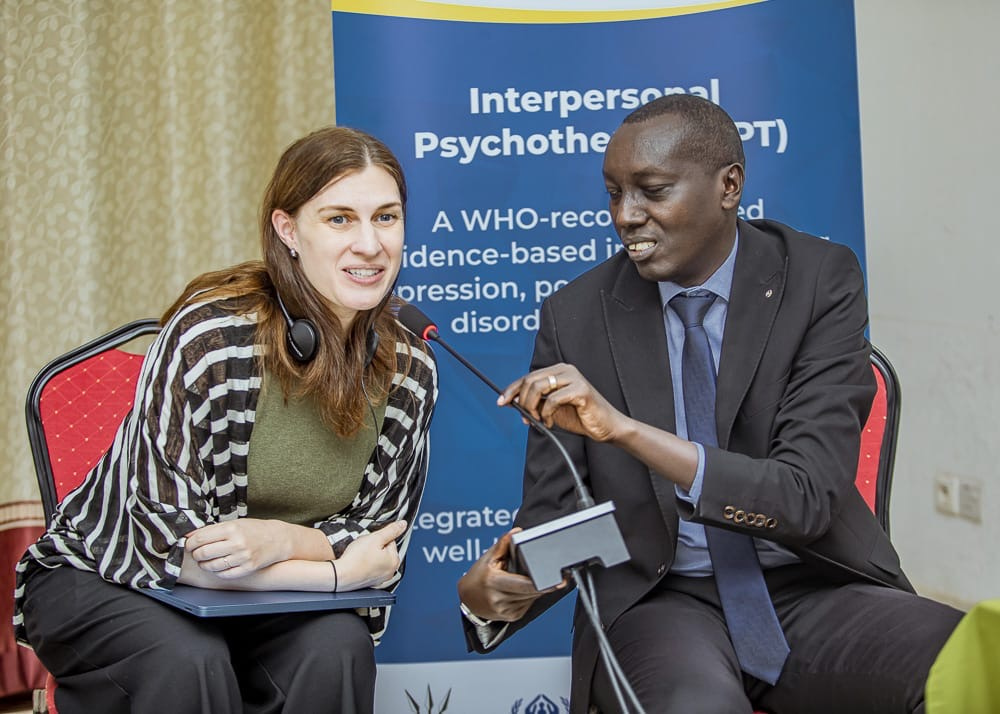
Staff from University of Wisconsin and HealthNet TPO Burundi during Interpersonal Therapy training
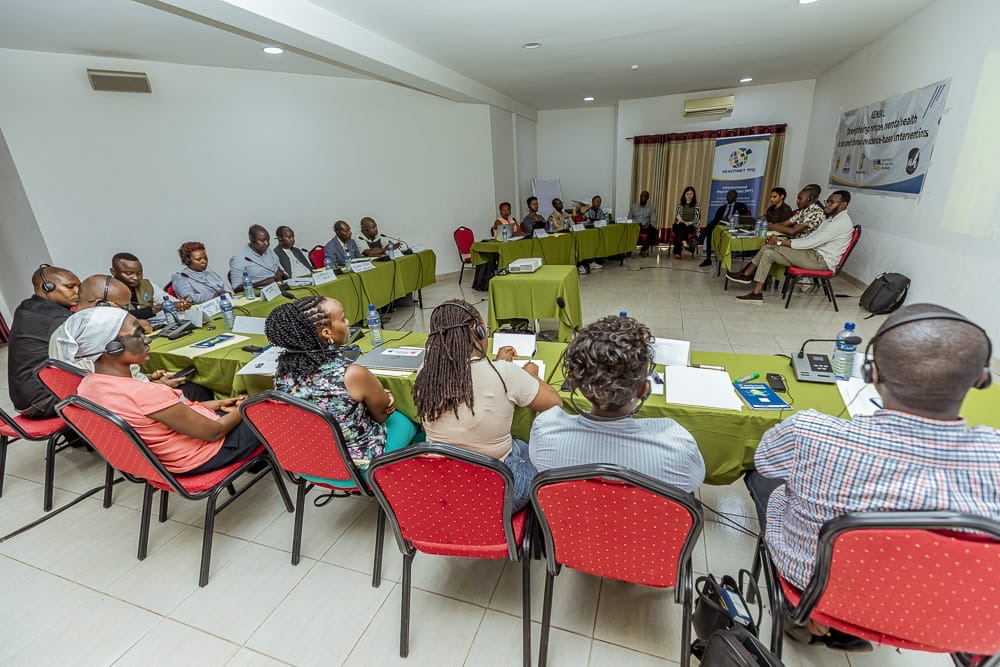
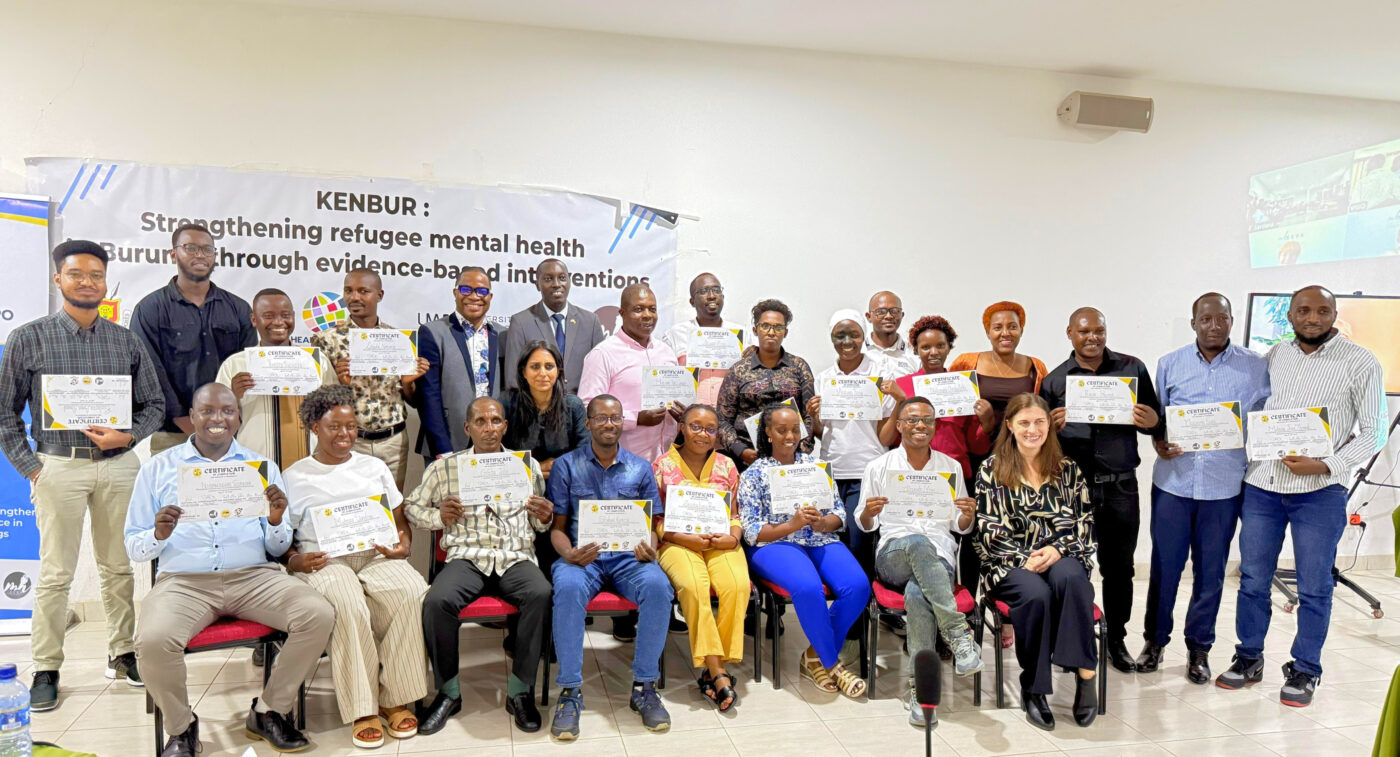
Participants Interpersonal Psychotherapy Training Burundi
IPT training workshop in Burundi
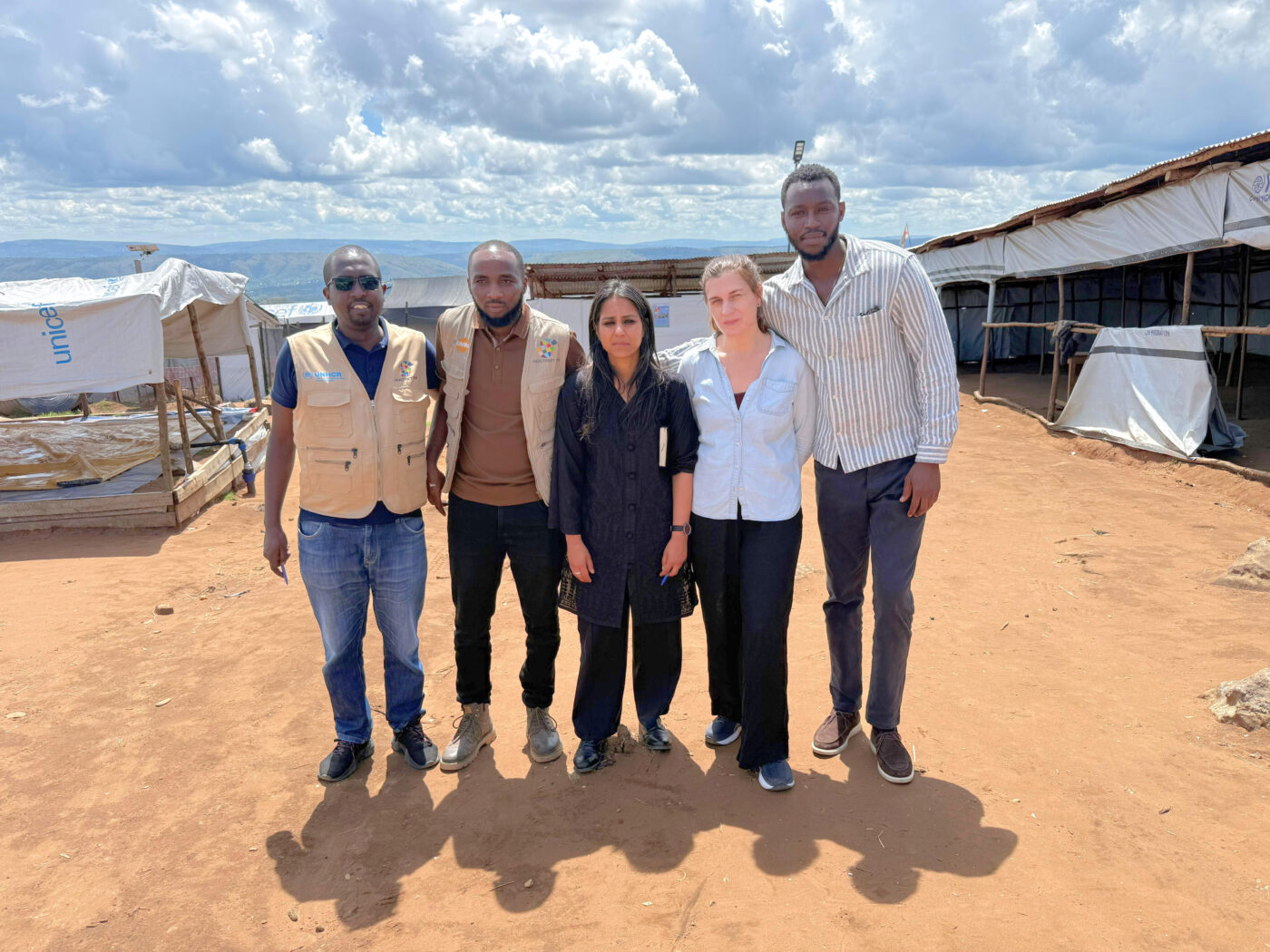
University of Wisconsin Milwaukee and HealthNet TPO team visit refugee camp Burundi
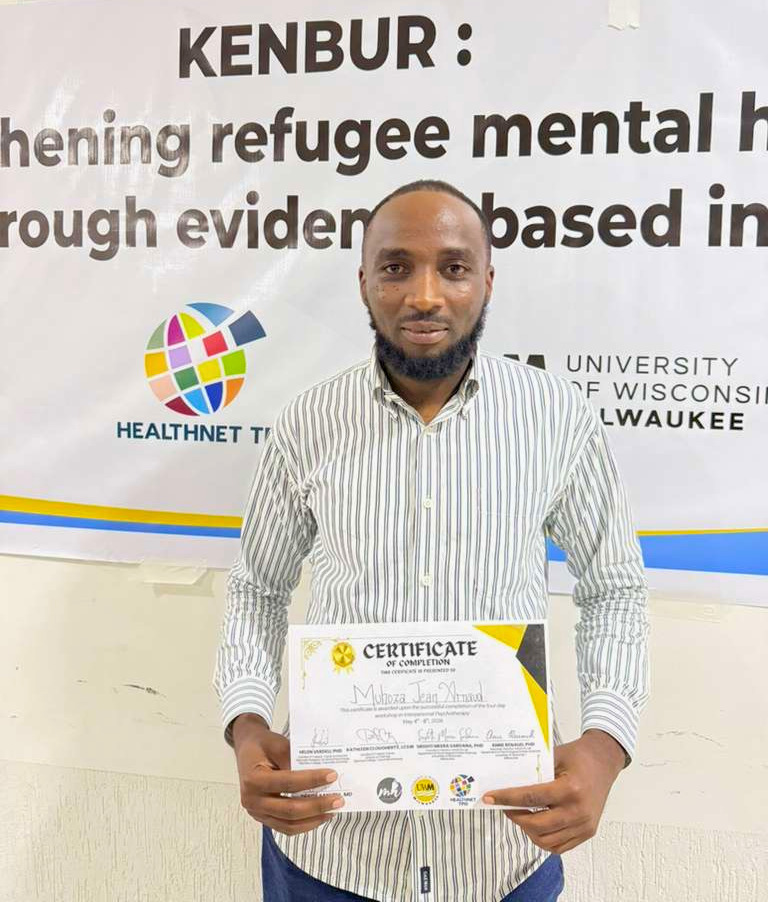
Participant with his diploma Interpersonal Psychotherapy Training Burundi

From 4–8 May 2026, 20 participants took part in an intensive four-day IPT training workshop in Burundi. Participants included HealthNet TPO psychologists and psychiatrists working in refugee camps, community health workers, nurses and staff from partner organisations involved in MHPSS and emergency response efforts. Representatives from the Ministry of Public Health and UNHCR also attended to support and endorse the initiative.

The training was led by global experts in IPT, including co-developers of the approach from Columbia University and trainers from the University of Wisconsin. Participants learned how to adapt and apply IPT in both individual and group settings, monitor changes in depression and PTSD symptoms, and provide structured mental health support tailored to the realities faced by refugees and host communities.

Following the training, providers will deliver IPT services in the refugee camps and sites of Busuma, Kavumu, Musasa and Bwagiriza. Together, these locations host an estimated refugee population of more than 100,000 people, helping expand access to structured mental health care in areas where mental health and psychosocial support needs remain high.

A long-term investment in sustainable care

The workshop marks the beginning of a longer learning process. Following the training, nine providers will continue with weekly online supervision over the next 8–12 months, working towards international competency standards to become certified IPT therapists.

This long-term supervision model is designed to ensure sustainable knowledge transfer and strengthen local ownership of mental health care delivery in Burundi. Rather than relying solely on short-term external support, the project aims to establish lasting systems of care led by trained local professionals.

The expected impact is multi-layered. At provider level, the project strengthens evidence-based mental health response capacity among specialists and non-specialists. At patient level, it aims to improve treatment outcomes and daily functioning for refugees and host community members experiencing depression, PTSD and other mental health conditions. At systems level, the initiative represents one of the first structured efforts to implement IPT within refugee camp settings in Burundi.

As humanitarian needs continue to grow in Burundi, strengthening sustainable mental health systems is becoming increasingly urgent. By investing in local expertise and evidence-based care, this project aims to ensure that refugees and host communities can access quality mental health and psychosocial support when and where they need it most.

Subscribe to our newsletter

Get exclusive access to inspiring stories and updates.