Where we work
-
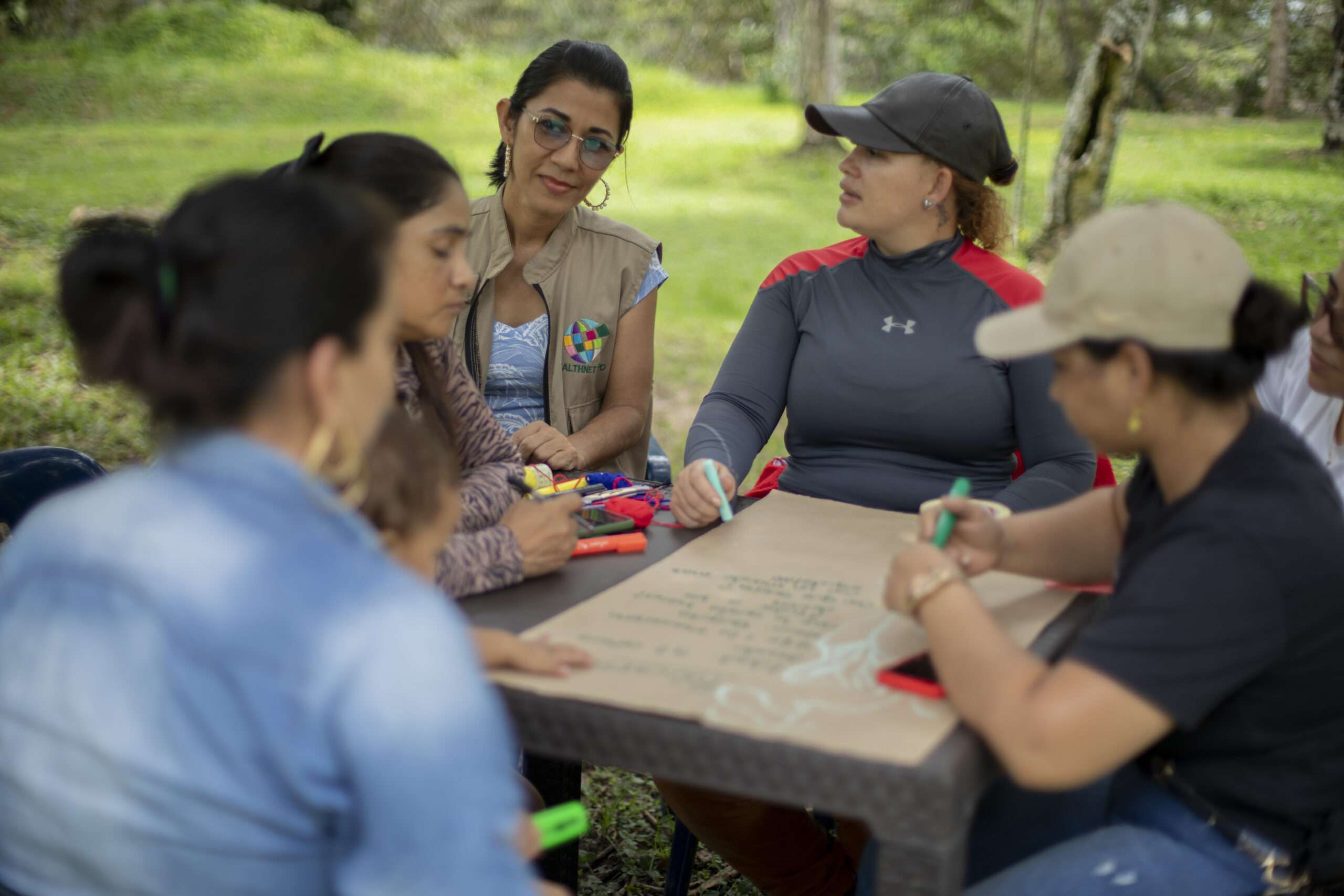
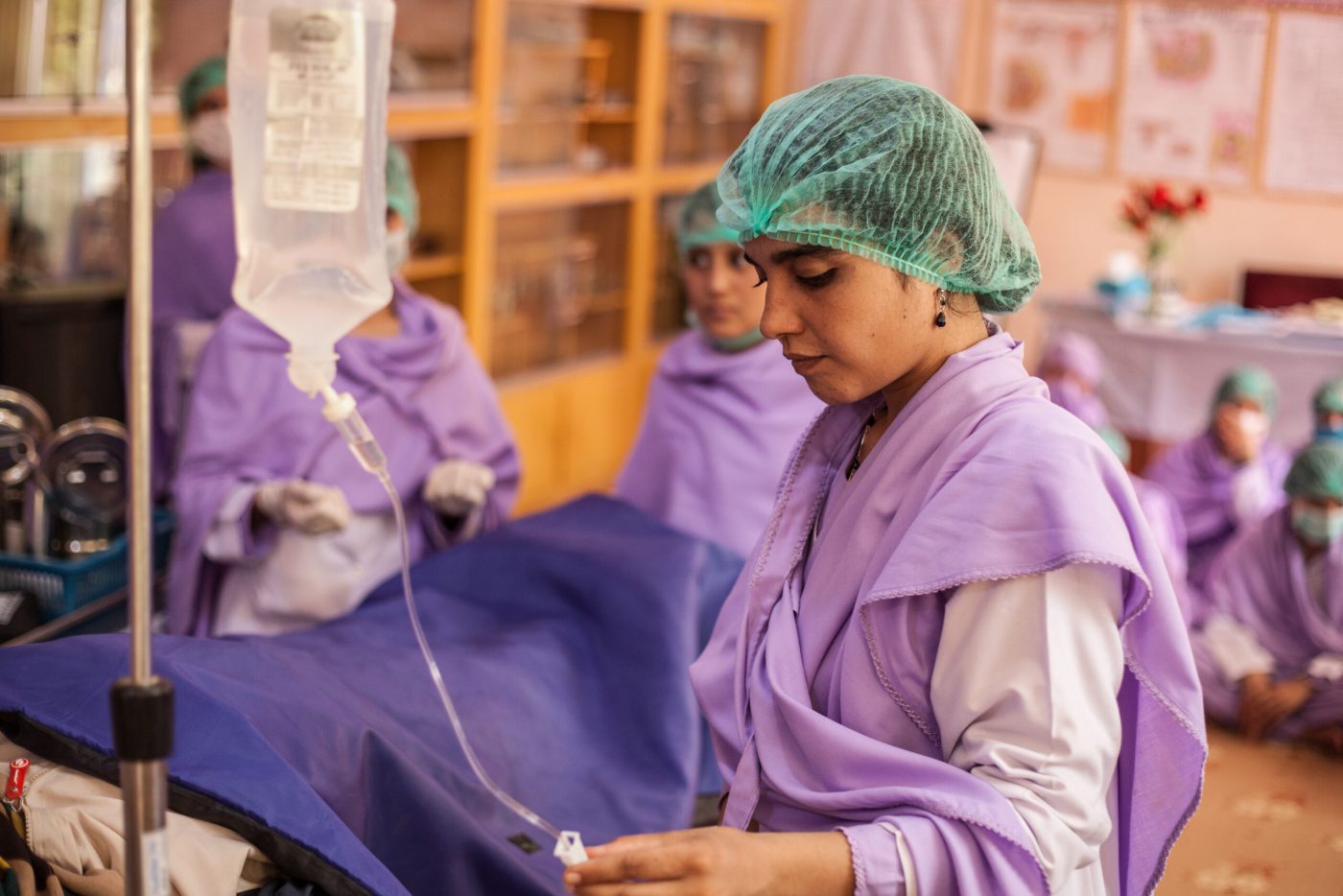
HealthNet TPO operates across Afghanistan, South Sudan, Burundi, and Colombia, in regions affected by conflict, instability, and humanitarian emergencies. In these complex environments, we provide essential health services and mental health and psychosocial support to communities facing urgent and long-term needs.
We focus on communities where our expertise can contribute to stronger health systems and better access to care, particularly in remote and underserved areas affected by conflict and crisis. Our local teams work closely with communities to ensure that our programmes are culturally appropriate, context-specific, and responsive to changing needs.
-
Beyond responding to immediate crises, we focus on strengthening resilience over the long term. We work alongside governments, partner organisations, and communities to strengthen health systems, build local capacity, and support sustainable recovery.
Through our long-term presence and strong local partnerships, we support communities to regain stability, strengthen the services they rely on, and build healthier, more resilient futures.
All the countries


-
 Read more
Listening in times of uncertainty: what meaningful mental health support requires
Across humanitarian settings, mental health and psychosocial support (MHPSS) services are operating under increasing pressure. Funding is becoming more constrained and less predictable, while the needs of people affected by conflict and displacement remain... -
 Read more
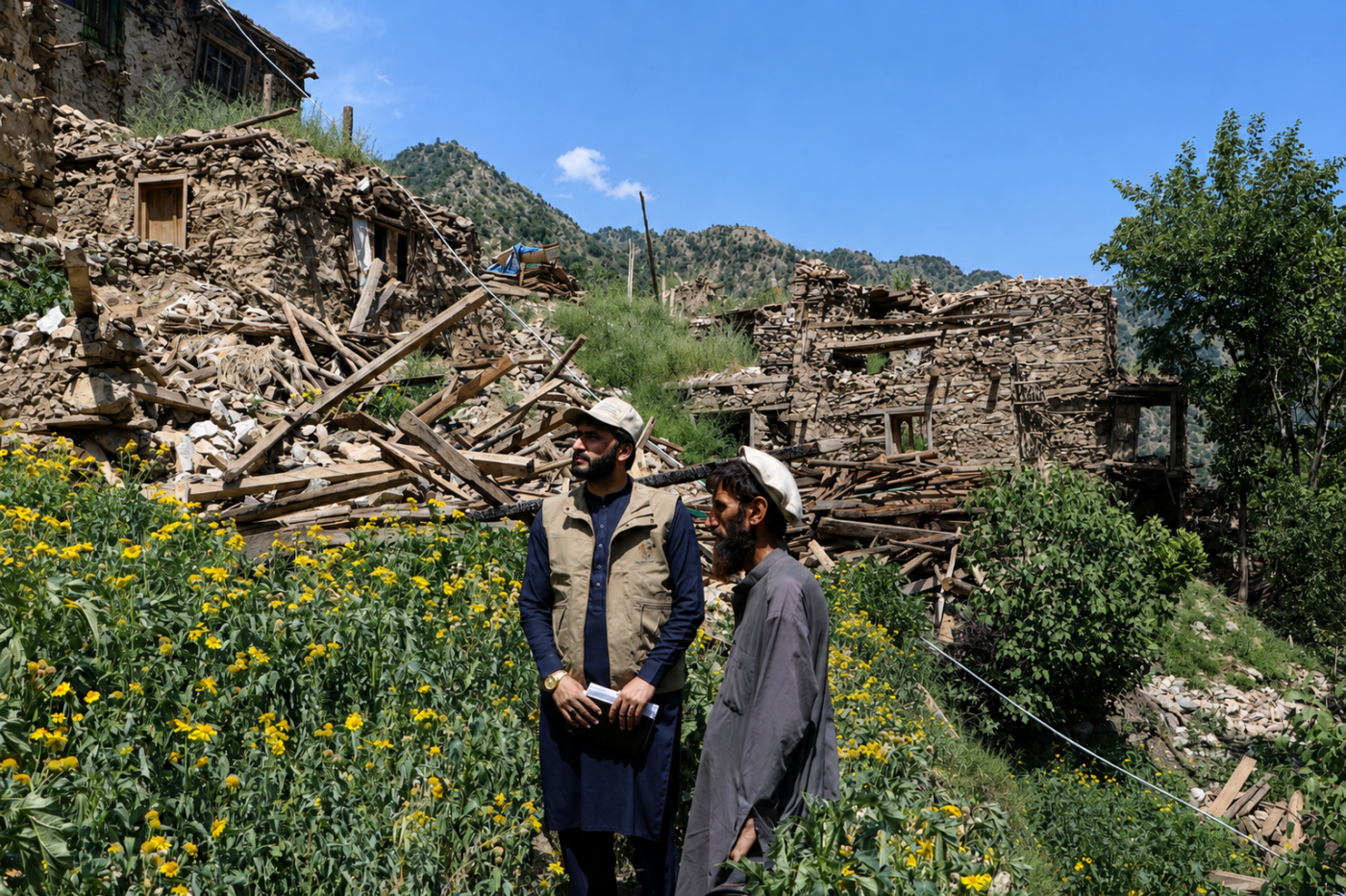
One year on: rebuilding hope after the earthquake in Arrit Valley
Yellow wildflowers dot the hillsides of Arrit Valley in Kunar Province, Afghanistan, softening a landscape still marked by collapsed homes and broken stone walls. Standing quietly among them, Abdul Samad looks over what remains... -
 Read more
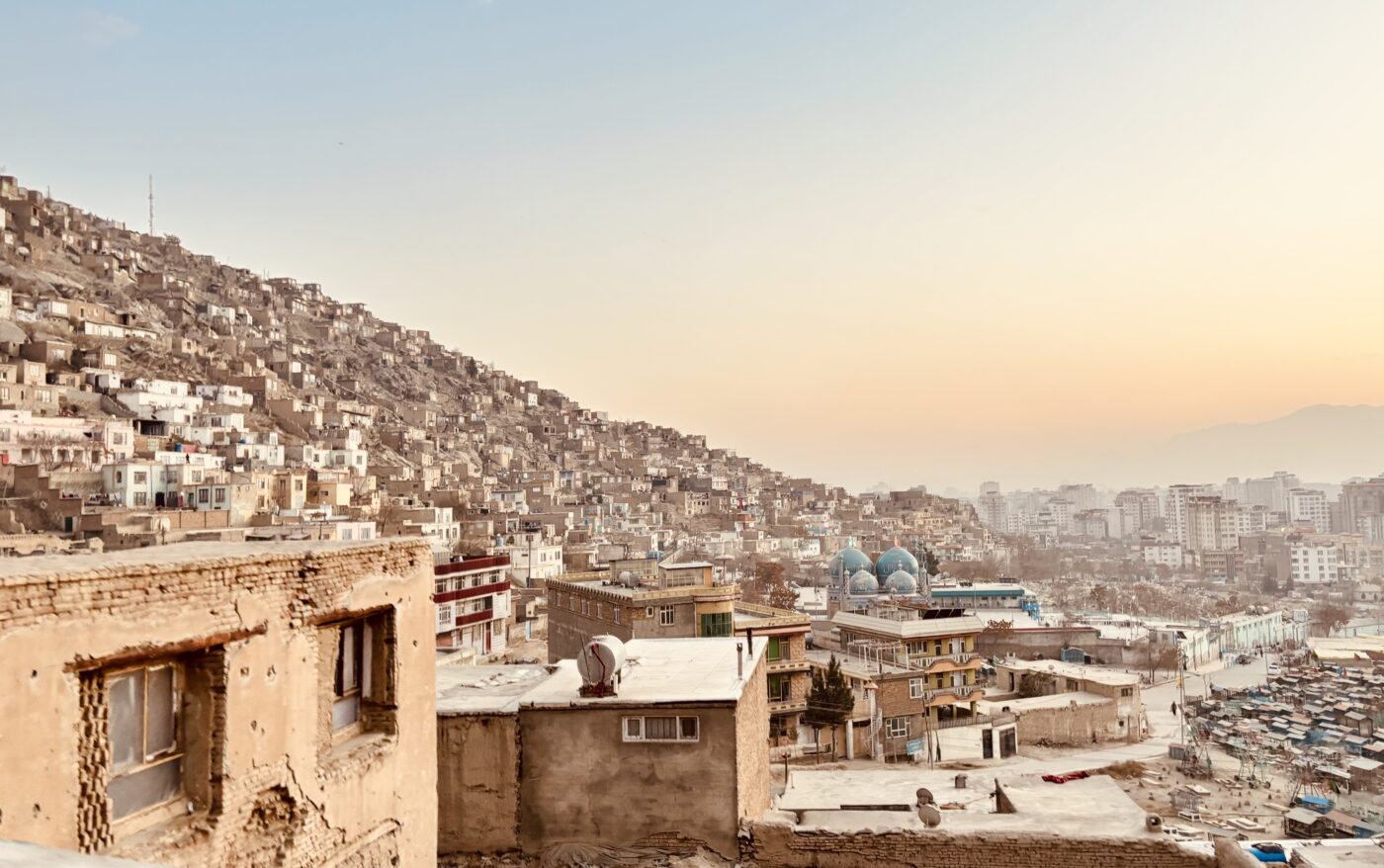
Five Years On: Sustaining International Engagement with Afghanistan
15 August 2026 marks five years since the return of the Taliban to power. Already vulnerable from decades of war, aid dependency, and climate shocks, Afghanistan has been plunged into economic collapse by suspension...