4 min read

Beyond safety: why mental health support matters for refugees

Reaching safety does not end the challenges refugees face. The emotional impact of conflict, loss and displacement can continue long after people arrive in a refugee camp. Mental health support helps people recover and rebuild their lives.

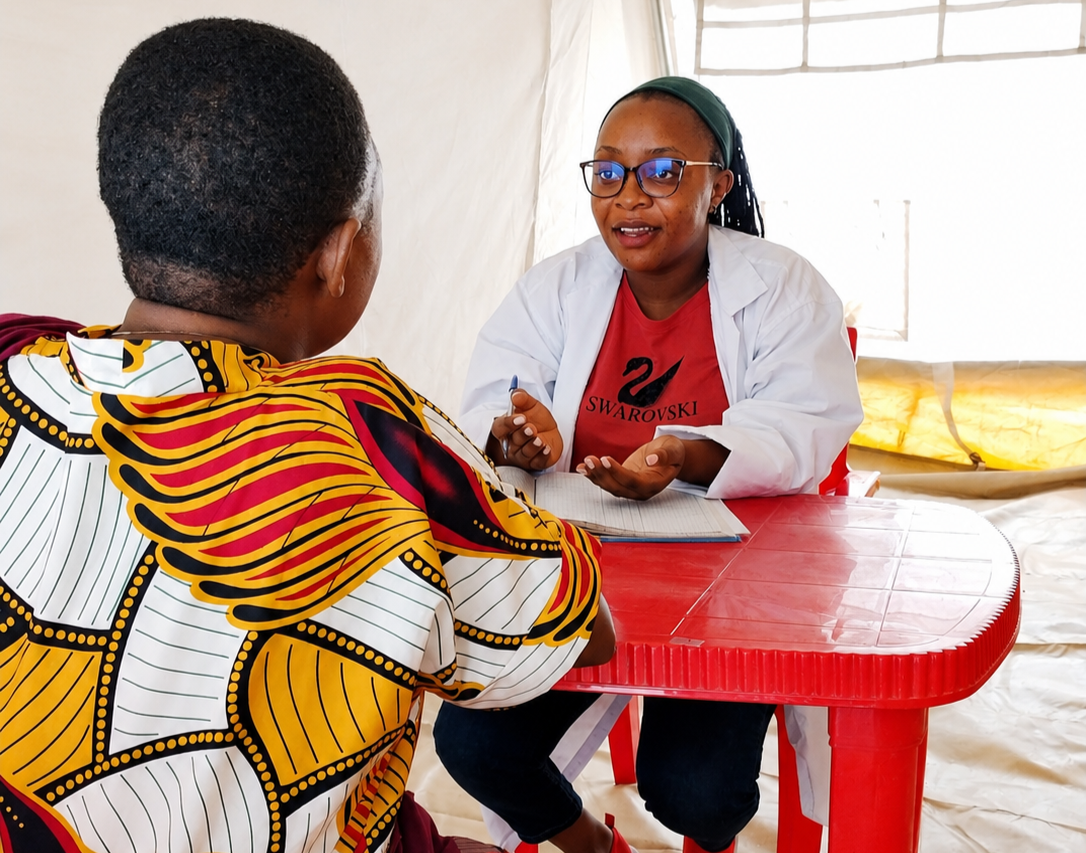
Mental health worker and woman during consultation at refugee camp

Burundi offers a powerful example of the mental health challenges refugees face both during and long after displacement. The country currently hosts more than 113,000 refugees and asylum seekers, the vast majority from neighbouring Democratic Republic of Congo. While many have arrived following the recent escalation of violence in eastern Democratic Republic of Congo, some refugee families have spent decades in exile. Since late 2025, more than 90,000 people have fled to Burundi in search of safety.

According to Jean Arnaud Muhoza, HealthNet TPO’s MHPSS expert in Burundi, both the experiences that force people to flee and the challenges they face while living in exile can have a lasting impact on mental health and wellbeing. He explains:

Even after reaching a safe place, many refugees continue to live with feelings of insecurity and uncertainty about what the future holds.

For some, the psychological impact of displacement can lead to depression, anxiety, high levels of stress, trauma-related symptoms, and suicidal thoughts. Arnaud also notes that some people, particularly young people, may turn to harmful coping mechanisms such as alcohol or drug use. 

Yet the challenges do not end once people reach safety. The emotional impact of displacement is often compounded by the realities of life in exile. Many refugees continue to face economic hardship, dependence on humanitarian assistance, and uncertainty about their future. For those who previously provided for their families, displacement can also mean a sudden loss of income, purpose and identity. 

Over time, these pressures can affect many aspects of daily life. Children may struggle at school, adults may find it difficult to earn an income, and families can experience growing tensions as they try to adapt to an uncertain future. 

“We can take the example of a father who was working and providing for his whole family back in his home country,” says Arnaud. “When he arrives here, he loses everything, but his family still expects him to provide. He can only depend on humanitarian assistance. This leads to sleep problems, anxiety and family conflict.”
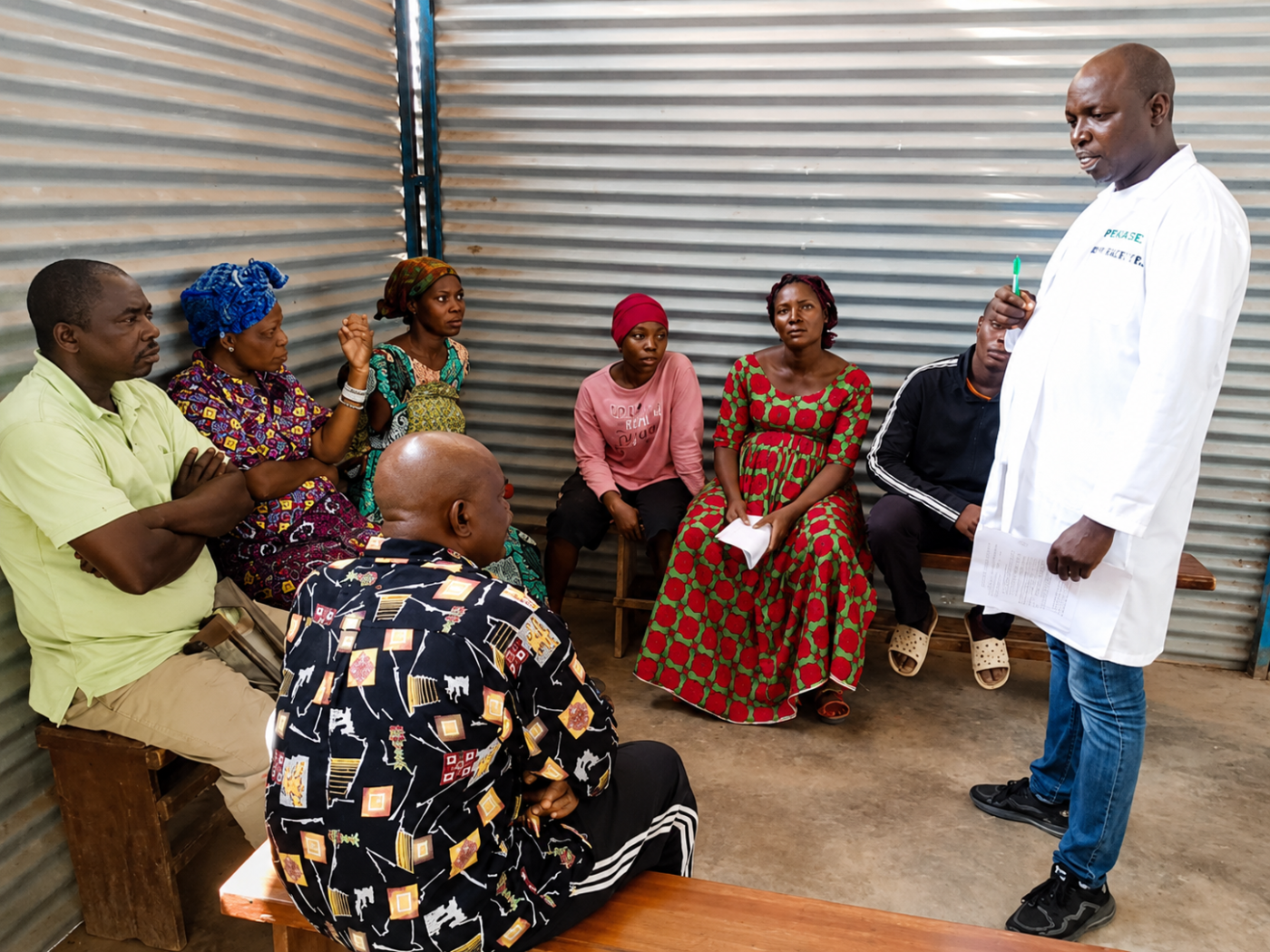
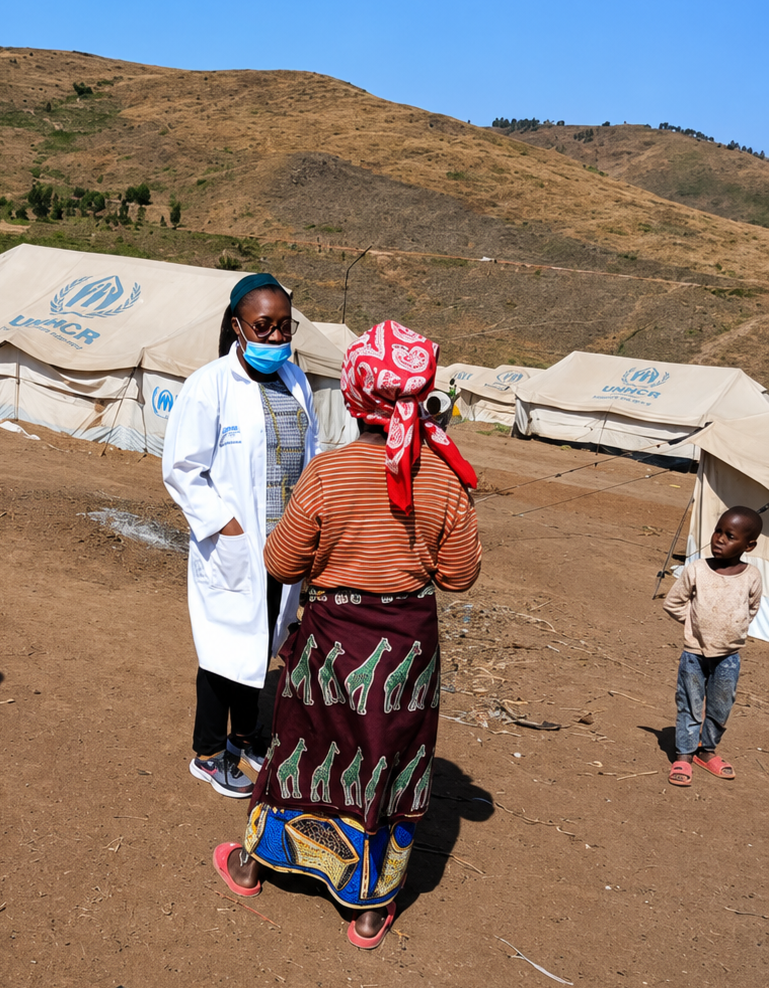
Mental health worker talks with a group of people at a refugee camp in Burundi

Meeting basic needs is not enough 

Humanitarian assistance such as food, shelter, and healthcare is essential. But Arnaud stresses that these forms of support are not always enough on their own. 

He recalls the story of a man affected by conflict and displacement who carried deep emotional pain and stress that had never been addressed. Although his family had received essential humanitarian assistance, his psychological and social wounds remained untreated. Over time, he began drinking heavily as a way to cope. This led to repeated arguments at home, violence, and growing conflict with his wife. Eventually, the couple divorced, and disagreements over their children became so serious that they ended up in court. 

For Arnaud, this example shows why mental health support must be integrated into humanitarian response. He emphasises that meeting basic needs is not always enough.

Without mental health support, emotional suffering can lead to addiction, family breakdown and problems that affect children and the whole community. Mental health care helps people heal, make better decisions and rebuild their lives with dignity and hope.

Supporting refugees and host communities 

In Burundi, HealthNet TPO provides healthcare services, including mental health and psychosocial support, to more than 93,000 refugees and asylum seekers living in six refugee camps and sites. Services include community awareness sessions, individual counselling and group support activities. Trained providers support people experiencing depression, trauma-related difficulties and other mental health challenges.

“We are there, and people can find help when needed,” says Arnaud. 

At the same time, needs continue to grow. Arnaud highlights the shortage of qualified mental health workers and emphasises the importance of integrating mental health support into primary healthcare and other programmes, particularly those supporting children, adolescents and young adults.

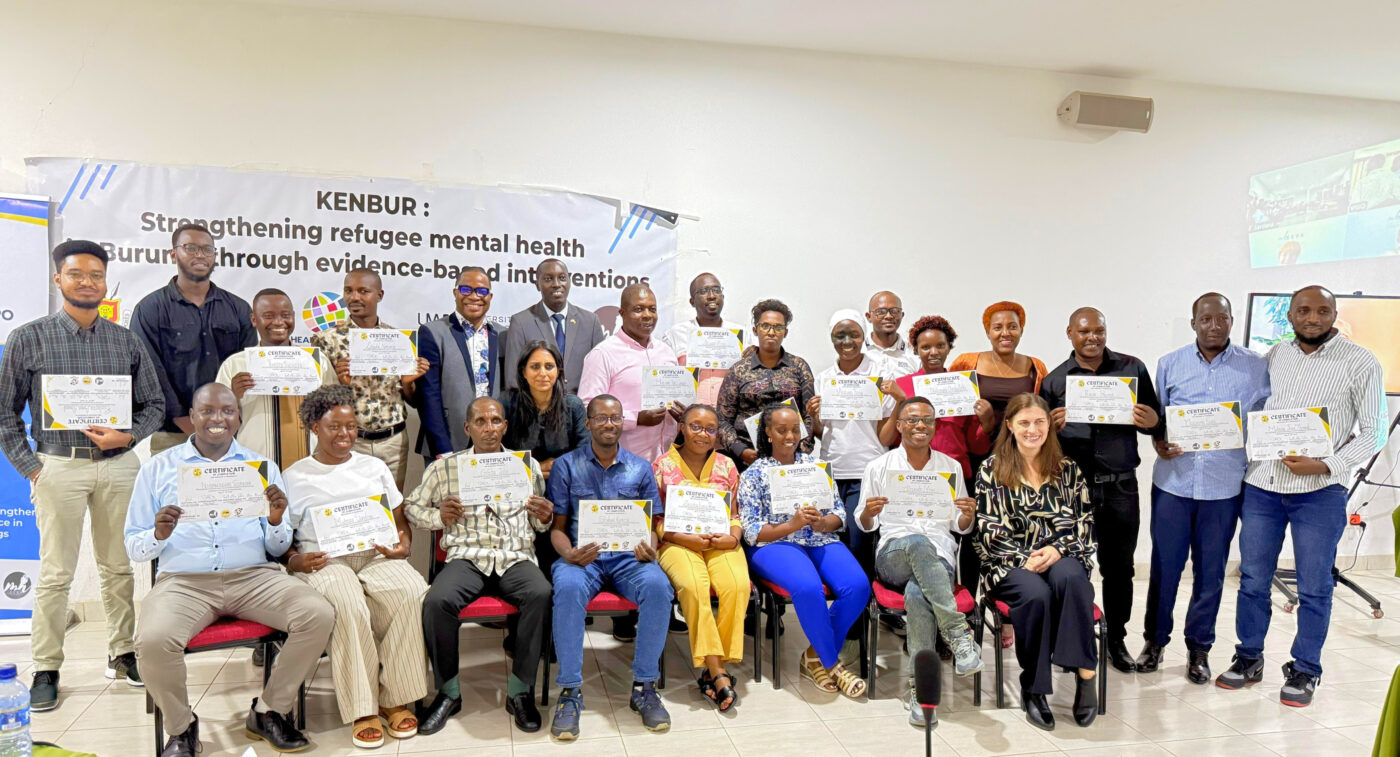
Strengthening mental health services also requires investment in local capacity. To support more sustainable systems of care, HealthNet TPO is implementing a new Interpersonal Psychotherapy (IPT) initiative in partnership with the University of Wisconsin Milwaukee (mhSEVA lab), UNHCR, the Ministry of Public Health and other MHPSS actors operating in Burundi.

IPT is an evidence-based approach that supports people experiencing challenges linked to loss, conflict and major life changes—experiences that many refugees face as a result of displacement. Through training and ongoing supervision, the initiative aims to strengthen locally led mental health care for refugees and host communities.

Arnaud says:

Investing in local capacity matters. It helps ensure the continuity of mental health services.

Supporting recovery and resilience 

Refugees and host communities face challenges that extend far beyond immediate humanitarian needs. Alongside food, shelter, and healthcare, people also need support to cope with loss, uncertainty, and the emotional impact of displacement. 

As needs continue to grow, greater investment in mental health and psychosocial support is essential. By strengthening local capacity and expanding access to care, refugees and host communities can be better supported to rebuild their lives and shape their futures. 

Help bring mental health support to refugees

Your support helps refugees and host communities in Burundi access the mental health care they need to recover, rebuild and look to the future with hope.

Subscribe to our newsletter

Get exclusive access to inspiring stories and updates.