4 min read

A different kind of pregnancy: Angelina’s journey to safer motherhood in Aweil North

South Sudanese Woman

When Angelina Ahok Arou talks about her current pregnancy, her voice is calm and assured. At the Primary Health Care Unit near her home in Aweil North, routine antenatal visits have become part of her life. The facility supported through an integrated emergency health and nutrition project funded by the European Union and implemented by HealthNet TPO with local partners provides primary healthcare services for the whole community, from maternal care to treatment for common illnesses, and it has become a trusted place for families to seek support.

For Angelina, these visits mean she knows when her next check-up is, understands how her baby is developing and feels confident that help is available if she needs it.

This sense of reassurance is new. For Angelina, a mother of three and a farmer living in Maper Dut Thou, pregnancy was once a time marked by uncertainty and fear.

“I am not afraid anymore,” she says. “I know I am in safe hands.”

Before there was care close to home

Angelina’s first two children were born at home, without medical support. At the time, the nearest hospital was several hours away on foot and impossible to reach in an emergency. Like many women in her community, she relied on traditional birth attendants and home remedies, hoping that everything would go well.

Her first delivery lasted more than two days. She remembers the pain, the exhaustion and the long recovery that followed. Caring for her newborn was difficult while she was still weak. Her second pregnancy brought no relief. This time, fear accompanied her throughout, knowing what awaited her and having no alternative.

“I was lucky,” she says. “Many women around me were not.”

Her experience reflects a wider reality. South Sudan has one of the highest maternal mortality rates in the world, with an estimated 1,223 women dying for every 100,000 live births. Many deliveries still take place at home, and fewer than one in five births are attended by skilled health personnel.

In communities like Angelina’s, serious illness or complications during childbirth have long been part of daily life.
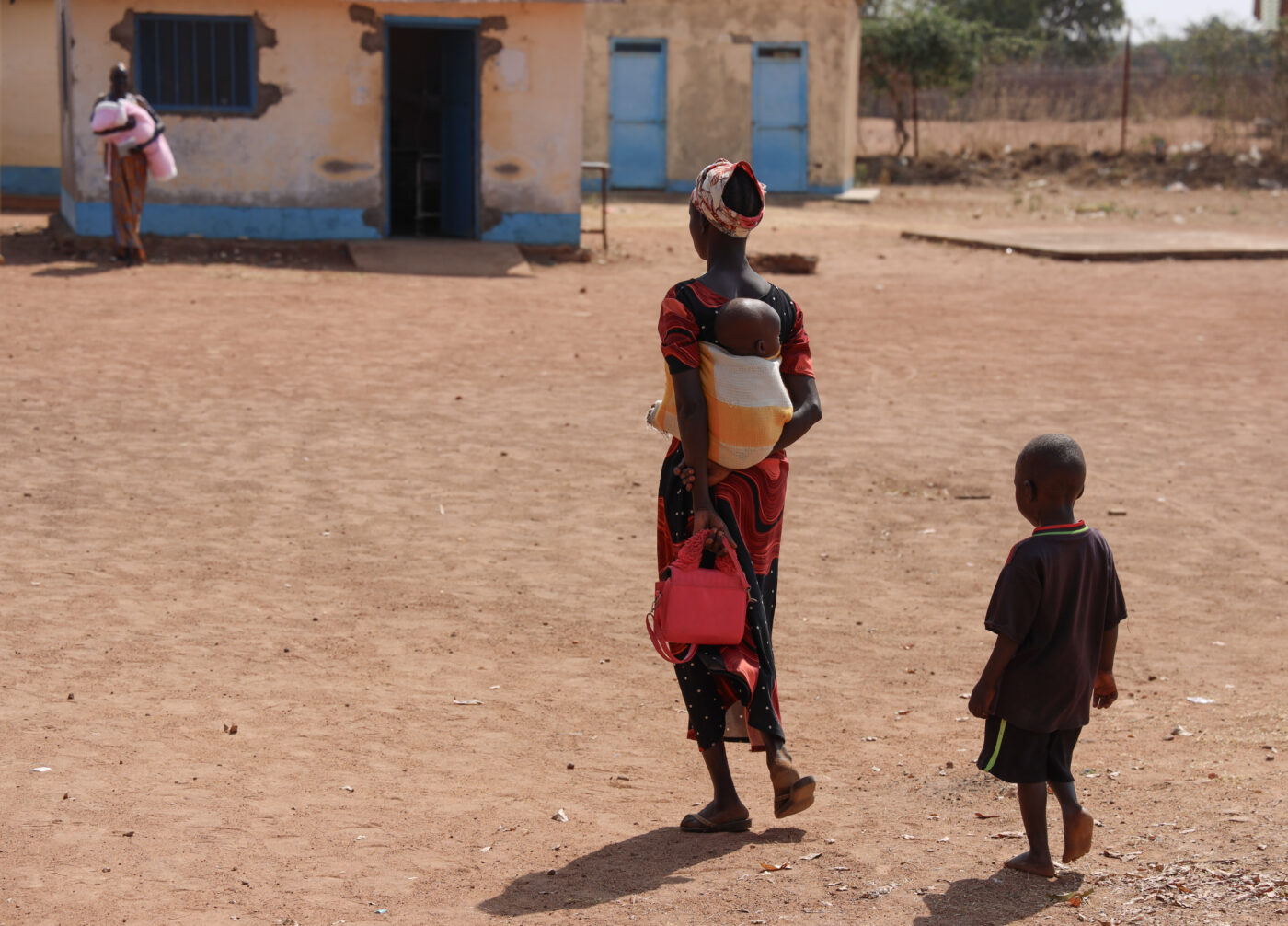
A South Sudanese woman walking with her two little children towards a health facility
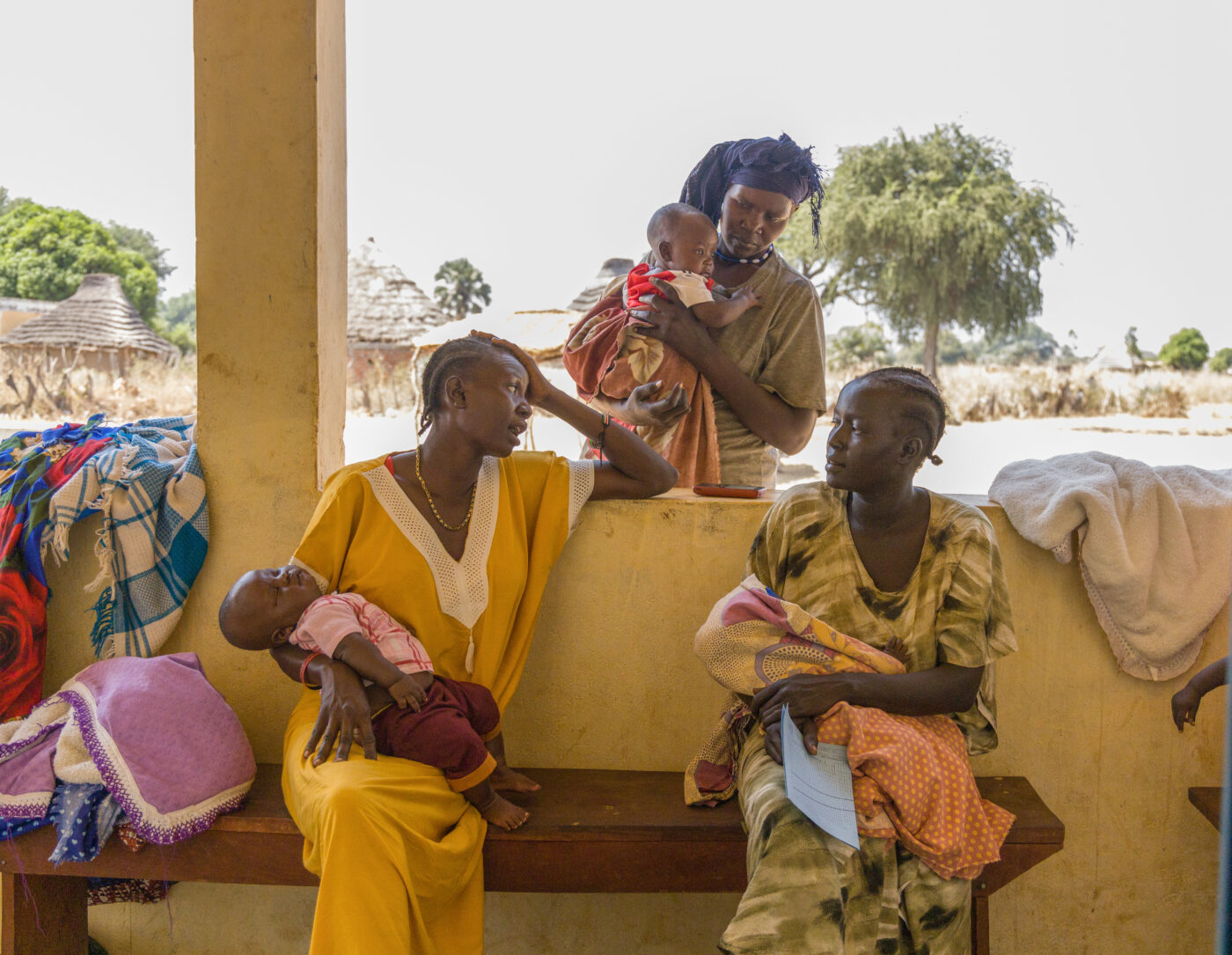
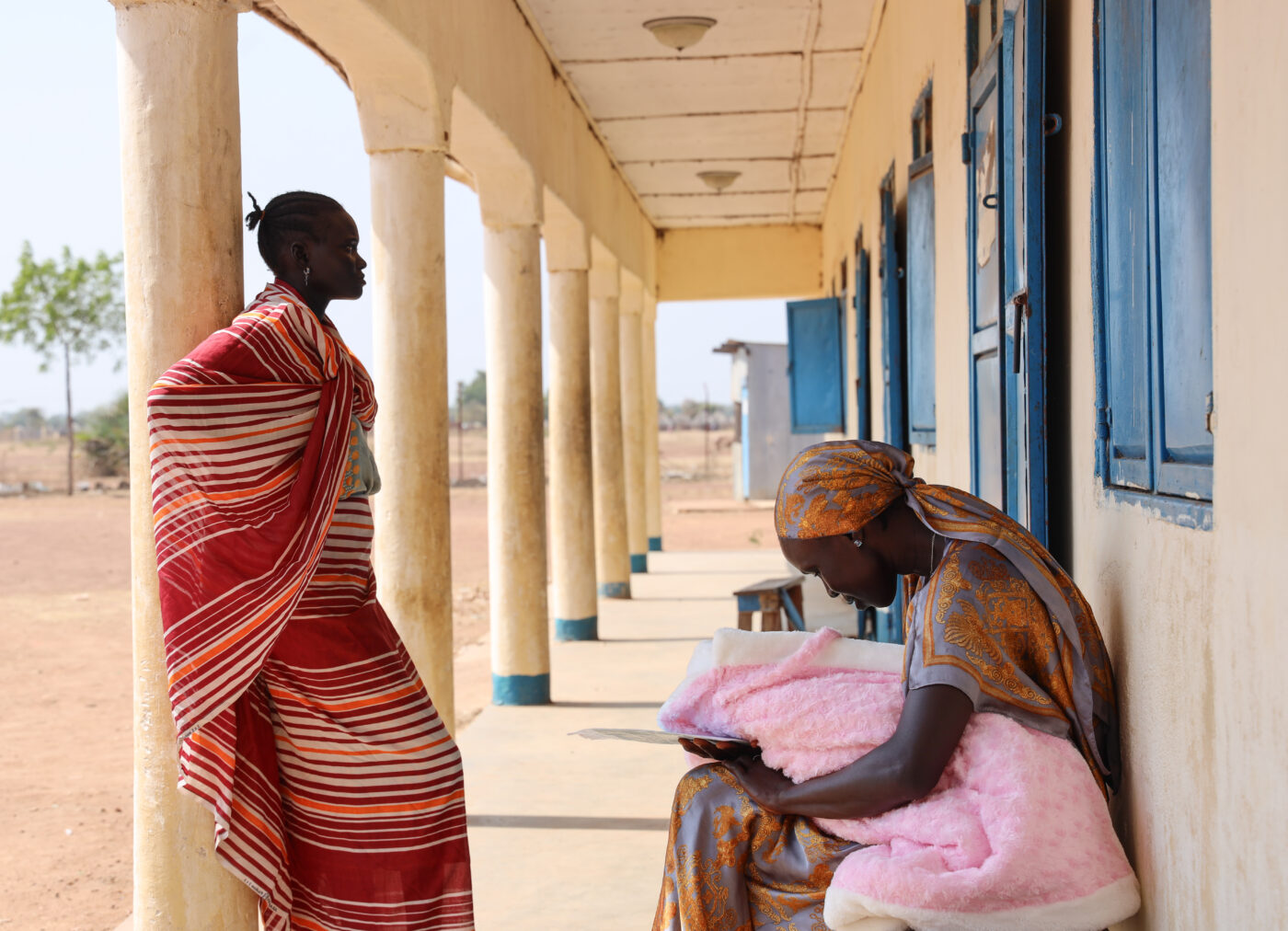
Two South Sudanese women wait outside a health facility. One of them holds a newborn

A turning point

Everything changed during Angelina’s third pregnancy.

For the first time, she registered for antenatal care at the local Primary Health Care Unit. Regular check-ups, blood pressure monitoring and nutritional supplements became part of her routine. Nurses took the time to answer her questions and explain what was happening with her pregnancy.

For the first time, I felt that my health and my baby’s health truly mattered.

In her seventh month, Angelina developed severe stomach pain that did not go away. Her husband brought her to the health facility immediately. After examination and testing, the medical team diagnosed a serious infection and started treatment.

“Without the hospital, I do not know what would have happened to me or my baby,” she says.

When labour began weeks later, Angelina returned to the health facility. A trained midwife stayed with her throughout the delivery, offering reassurance and support. This time, childbirth took hours rather than days. Her baby was born healthy, examined immediately and given his first vaccinations.

After the delivery, Angelina received follow-up care before returning home. Health workers checked her physical recovery and also asked about her mental health, including how she was feeling emotionally and whether she had enough support at home. She was given guidance on breastfeeding and caring for her newborn, and encouraged to return for postnatal check-ups.

“For the first time, I felt cared for in every way,” she says. “Not only during childbirth, but afterwards as well.”

Impact beyond one woman

The change did not stop with Angelina.

Her mother-in-law, who had been struggling with a persistent cough for months, was eventually persuaded to visit the health facility. After examination, she received treatment for a chest infection and recovered fully. Today, she encourages others in the village to seek care when they are unwell.

Similar stories are now common in the community: children regaining strength after treatment, women delivering safely and older people receiving care for long-term conditions. Access to healthcare has become a shared source of stability in daily life.

South Sudanese women with babies
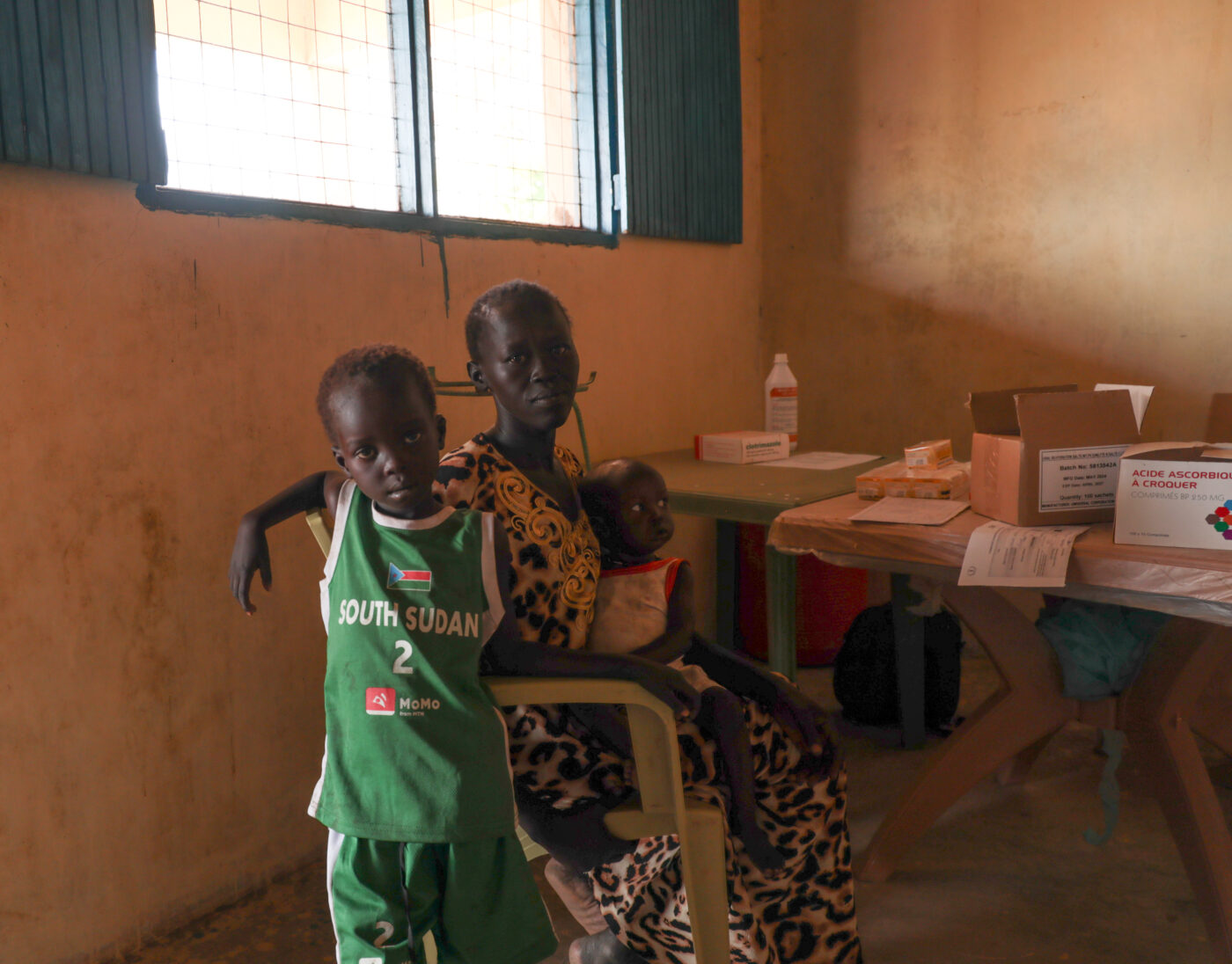
South Sudan mother and child at doctor consultation

Why access matters in Aweil North

Aweil North County, in northern South Sudan near the border with Sudan, has faced long-standing challenges. Seasonal flooding, limited infrastructure and ongoing instability have made access to basic services difficult for years. More recently, the arrival of refugees and returnees from neighbouring Sudan has increased pressure on already stretched resources.

In this context, having a functioning health facility within reach can make a decisive difference. For families like Angelina’s, it means that care is available when it is needed, without long journeys or delay.

Through an integrated emergency health and nutrition project supported by the European Civil Protection and Humanitarian Aid Operations (ECHO), HealthNet TPO works with local partners to strengthen access to essential health services in Aweil North, with a focus on women, children and vulnerable community members.

Looking ahead

Now pregnant with her fourth child, Angelina attends antenatal appointments regularly. She follows medical advice and has already planned to deliver at the health facility. Her husband feels reassured, and her children are growing up in a household no longer shaped by constant concern about illness.

“I can enjoy this pregnancy,” she says. “I can look forward to welcoming my baby.”

Her hopes extend beyond her own family. She wants her children to grow up knowing that healthcare is part of everyday life, and that support is available when it is needed.

This is a different future from the one I knew,” she says. “It gives us confidence.

A place that changes lives

For Angelina, access to healthcare has changed more than a single pregnancy. It has brought reassurance, dignity and the ability to plan for the future.

As humanitarian needs continue across South Sudan, sustained support for accessible, community-based healthcare remains essential. For women like Angelina, it means that pregnancy no longer has to be defined by uncertainty, but can instead be shaped by care, confidence and hope.

Subscribe to our newsletter

Get exclusive access to inspiring stories and updates.