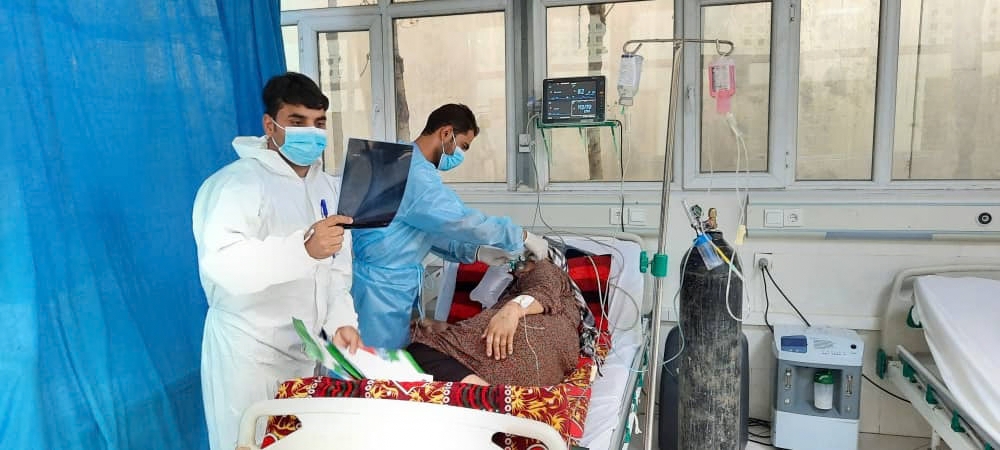
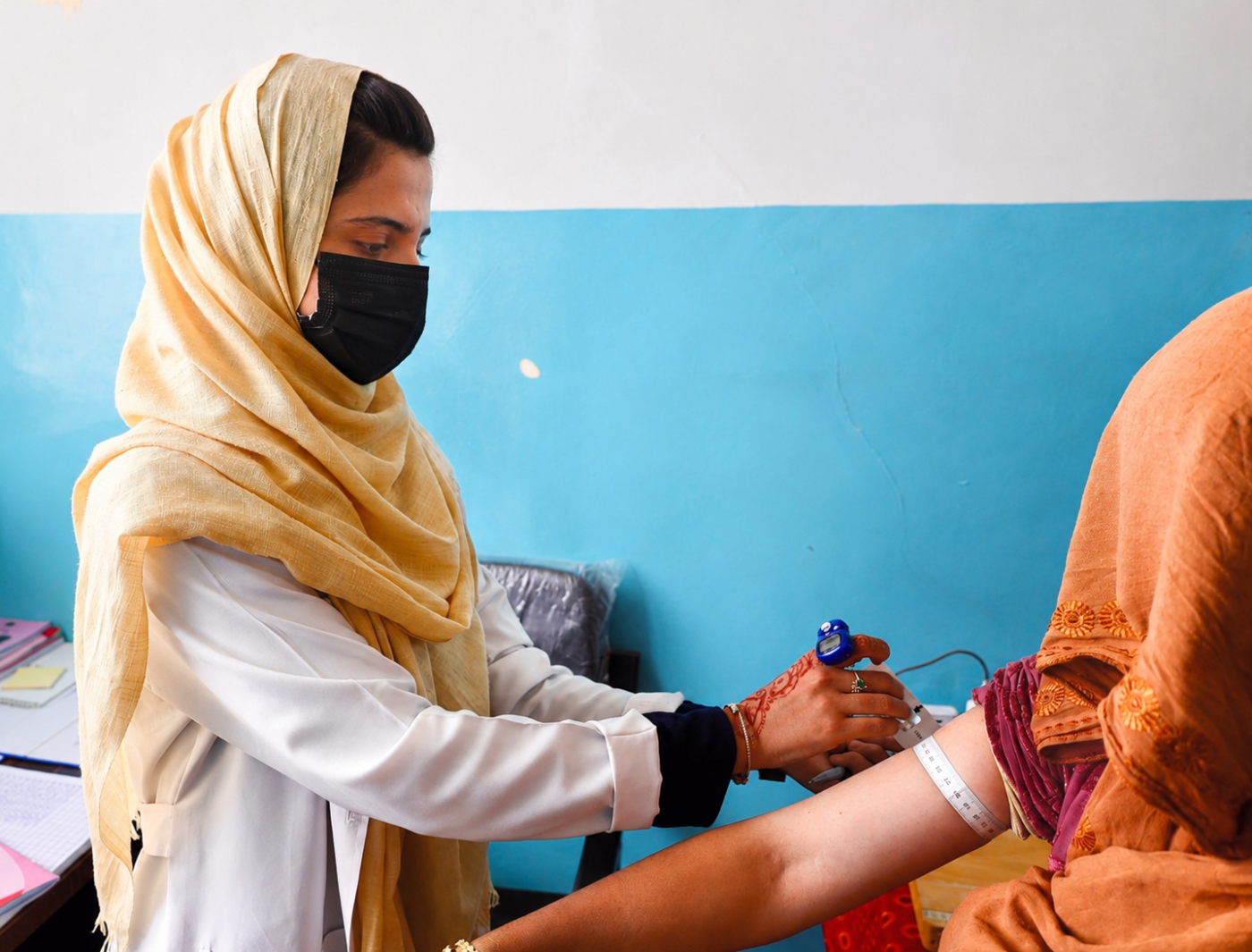
Afghanistan’s health system continues to face significant pressure after decades of conflict, displacement, economic hardship and recurring emergencies. Limited resources and gaps in healthcare services make accessing essential care particularly difficult for people living in rural and hard-to-reach areas.
Gaps in routine immunisation also leave children and communities at risk of preventable diseases. Afghanistan remains one of only two countries where polio is endemic, while access constraints, misinformation and limited trust in health services can prevent families from accessing routine vaccinations.
Bringing essential healthcare closer to communities
HealthNet TPO works to ensure that people can access quality healthcare when and where they need it. Across Khost, Kunar, Laghman, Nangarhar and Paktia provinces, we support healthcare services at community, primary and hospital level, while working to strengthen the health system that delivers them.
Our work includes maternal and newborn care, child health and nutrition, routine immunisation, physical rehabilitation and care for common illnesses. We also support health workers and facilities with training, essential supplies and equipment, and help bring healthcare closer to communities through mobile and outreach services.
Community engagement is an important part of this work. Health workers and community representatives help families understand the services available to them, address concerns and misinformation around vaccination, and connect people with appropriate care.