

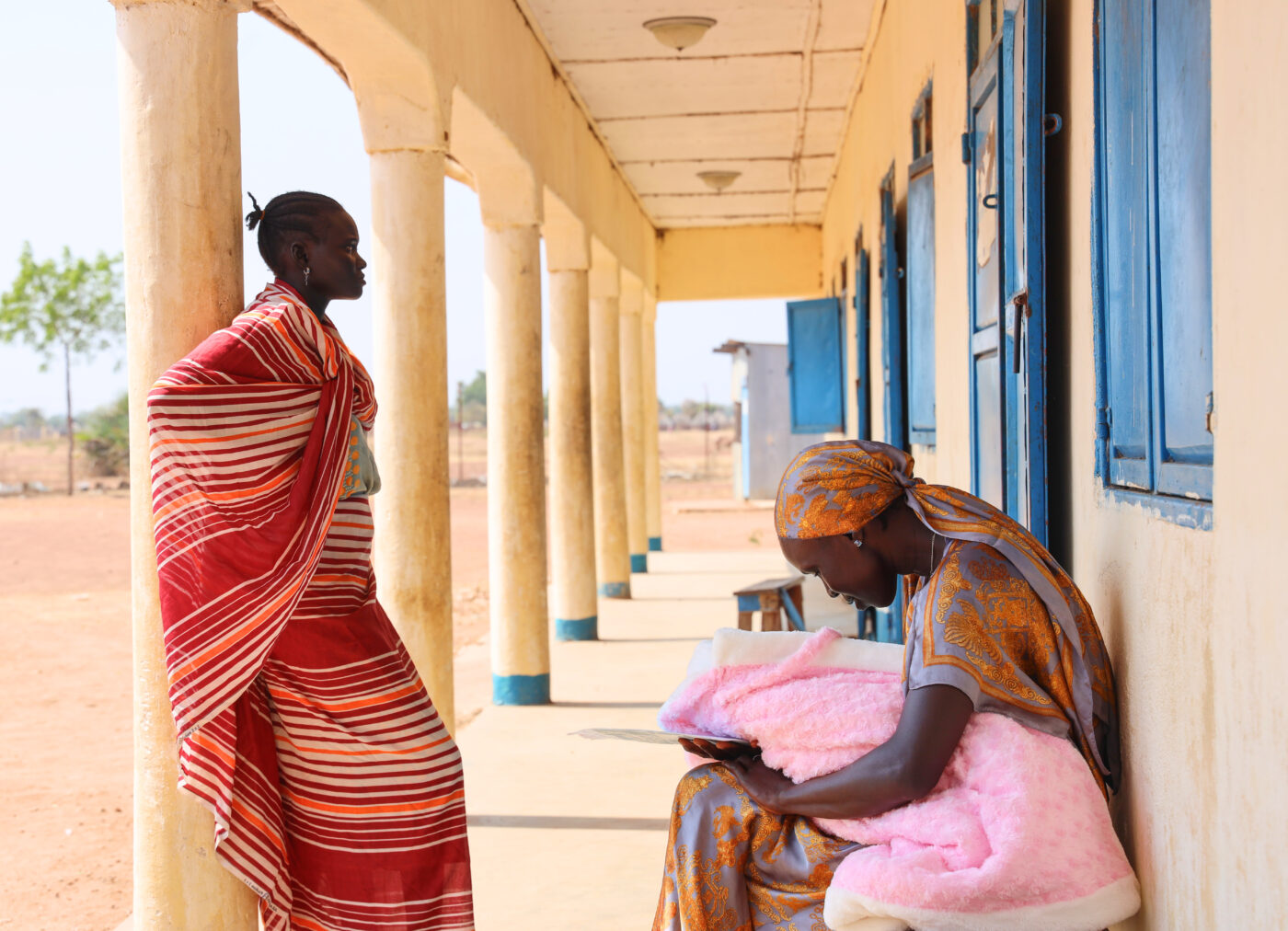
In Aweil North County, northern South Sudan, communities face significant challenges in accessing essential services. Years of conflict, recurrent flooding, food insecurity and limited infrastructure have left many families reliant on humanitarian assistance. These pressures have been compounded by the arrival of refugees and returnees from neighbouring Sudan, placing additional strain on already overstretched health services and community resources.
The humanitarian situation remains severe. In 2025, an estimated 9.3 million people across South Sudan required humanitarian assistance, with needs expected to increase further in 2026. According to OCHA’s 2025 Humanitarian Needs Overview, approximately 141,088 people in Aweil North County – around 76% of the population – are in need of humanitarian support.
With support from the European Civil Protection and Humanitarian Aid Operations (ECHO), HealthNet TPO is implementing an integrated, multi-sectoral response to address these urgent needs. The project combines life-saving health and nutrition services with water, sanitation and hygiene (WASH) activities, protection support and strengthened emergency preparedness. Through this approach, the project aims to reduce illness, improve health outcomes and strengthen the resilience of both host communities and returnees.
A key part of this response is supporting access to essential primary health care services through a network of health facilities across Aweil North. In remote areas such as Manyiel, where health services were previously unavailable or difficult to reach, communities can now access antenatal care, childhood vaccinations, treatment for common illnesses and support for acute malnutrition closer to home. By strengthening health services while addressing broader humanitarian needs, the project helps communities not only respond to immediate challenges but also build a healthier and more resilient future.