

3 min read

Statement by ENNA: European Network of NGOs in Afghanistan

Five Years On: Sustaining International Engagement with Afghanistan

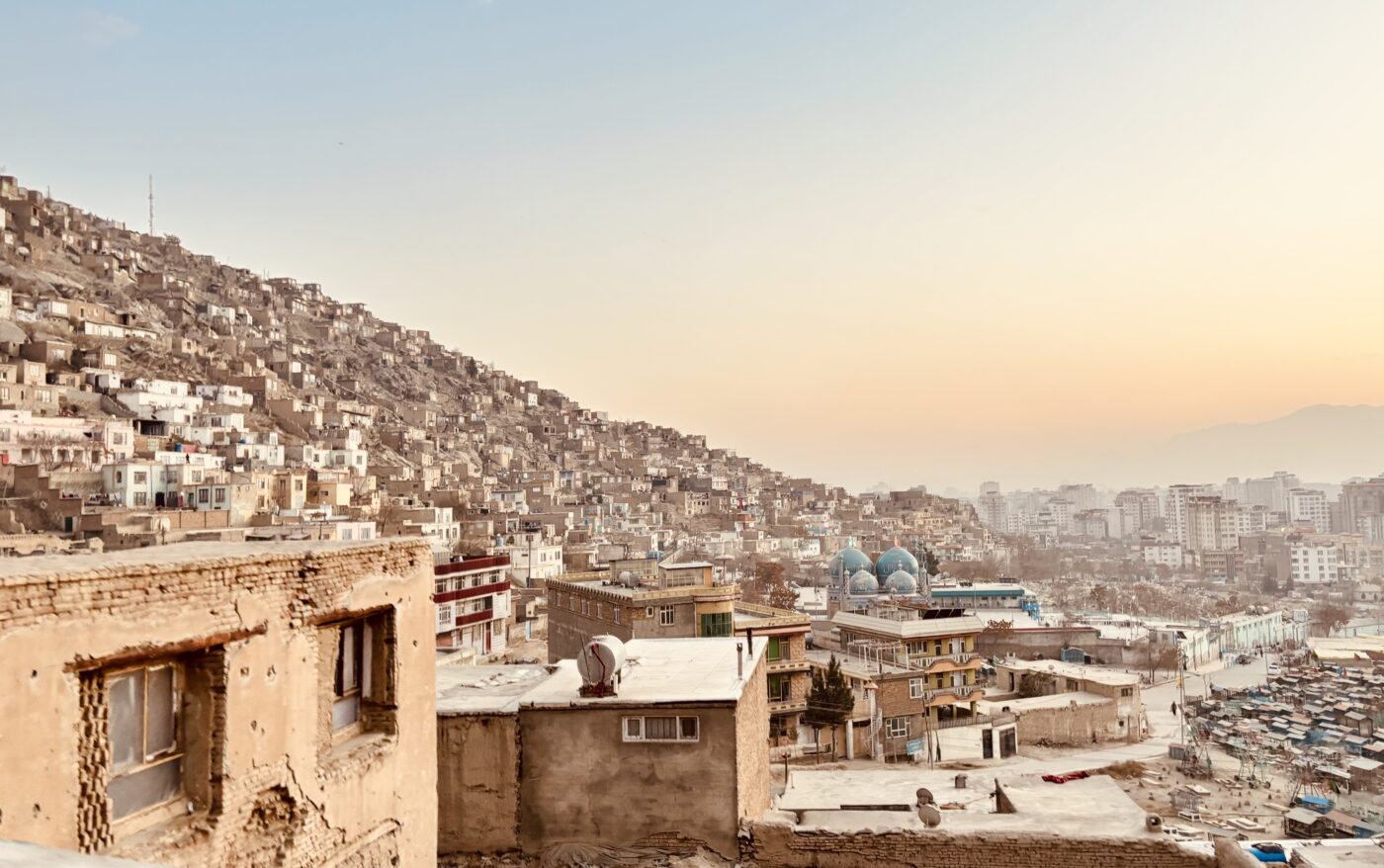
View of city in Afghanistan

15 August 2026 marks five years since the return of the Taliban to power. Already vulnerable from decades of war, aid dependency, and climate shocks, Afghanistan has been plunged into economic collapse by suspension of development aid, and frozen foreign reserves. This crisis was further worsened by regional tensions that cut off vital trade routes. Still, Afghans across the country continue to demonstrate remarkable resilience, solidarity, and determination in sustaining their communities and livelihoods.

Women and girls have borne the brunt of the restrictions imposed since August 2021. Their access to secondary and higher education, employment, freedom of movement, healthcare, and participation in public life has been progressively curtailed. Taken together, these measures severely restrict the rights, dignity, and future opportunities of Afghan women and girls. Nearly 2.2 million girls remain barred from education beyond primary level. Ensuring the participation of women and girls in all aspects of Afghan society remains fundamental to Afghanistan’s future.

I was in grade 10 when the ban on secondary schools was announced and it has already been five years since then. I would have been in university but unfortunately, that seems like a dream to me that can never happen again.
— A female student, Herat province.

As organisations committed to supporting the people of Afghanistan, we believe this moment calls for renewed international attention and sustained engagement—not disengagement or isolation. Our operational presence provides access to basic services and protection to thousands of vulnerable Afghans. It proves that meaningful humanitarian and development assistance programmes remain possible, as nearly 22 million people continue to require humanitarian assistance to meet their most basic needs.

Millions of Afghans have been forced to return from neighbouring countries since 2023, often with little or no prospect of successful reintegration. International engagement must remain firmly focused on supporting the Afghan people and strengthening the resilience of communities across the country.

Humanitarian assistance remains essential, but it cannot, on its own, address Afghanistan’s structural challenges. Sustainable development investments are necessary to strengthen education, local economies, climate resilience, and public services. Afghanistan requires an approach that combines principled humanitarian action with long-term development investments.

We truly appreciate the humanitarian support we receive, but we do not want to rely on aid forever. We don't want to be a burden. Alongside humanitarian assistance, we need sustainable development investments that create jobs and livelihood opportunities. What we need most is the chance to work, earn a living, and stand tall on our own feet.
— A female returnee, Kunduz province.

Local organisations, community networks, and humanitarian actors are key to this process. They possess the knowledge, trust, and access needed to respond effectively to needs and priorities. Strengthening the capacity, leadership, and financial sustainability of Afghan civil society—including through direct and quality funding—must remain a priority. Inclusive, locally-led and context-sensitive approaches are essential to achieving meaningful and sustainable progress.

As one of the main donors to Afghanistan, the European Union has a critical role to play in supporting the Afghan people. The EU’s presence in Kabul remains essential to ensure that the country’s dire situation is not forgotten and to maintain dialogue with the de facto authorities, including to continue advocating for the rights of women and girls and to facilitate operational access.

We call on the EU and its Member States, and the international community, to maintain principled and long-term engagement with Afghanistan, recognising that disengagement would primarily harm ordinary Afghans.

We call for predictable, multi-year humanitarian and development financing that addresses urgent needs while strengthening essential services, climate resilience, and local economies.

We call for strengthened support to Afghan civil society, including local and women-led organisations, through meaningful consultation, direct partnerships, and sustained investment in locally led and inclusive approaches.

We call for continued diplomatic, principled and practical engagement that preserves space for dialogue, promotes the equal, direct, safe and meaningful participation of women and girls in all areas of Afghan society, and places the dignity, rights, and aspirations of the Afghan people at the centre of international efforts.

Five years on, the people of Afghanistan must not be forgotten. Sustained international solidarity, practical cooperation, and long-term commitment remain more important than ever.

Standing shoulder to shoulder with the people of Afghanistan during these difficult times is not a burden—it is a responsibility and an honour.
— Samim, community member, Nangarhar Province.
Data Sources

UNESCO (2025), Afghanistan: Four years on, 2.2 million girls still banned from school.

UNICEF & UNESCO (2026), Joint Statement on the Right to Education in Afghanistan.

UN OCHA (2026), Afghanistan Humanitarian Needs and Response Plan 2026.

UN Women / UNAMA / IOM survey data on Afghan women

This statement was signed off by the following members of ENNA:

ActionAid Sweden

CAFOD

CARE

Cordaid

DACAAR

Dutch Refugee Foundation (Stichting Vluchteling)

EMERGENCY

HealthNet TPO

HealthProm

International Rescue Committee

INTERSOS

Norwegian Afghanistan Committee

Norwegian Refugee Council (NRC)

People in Need

Search for Common Ground

Solidarity Committee

World Vision International

Subscribe to our newsletter

Get exclusive access to inspiring stories and updates.