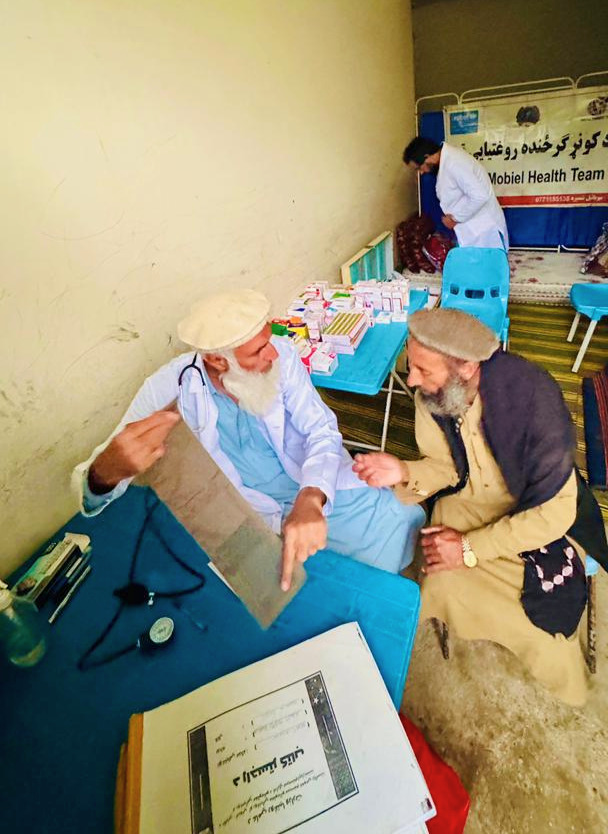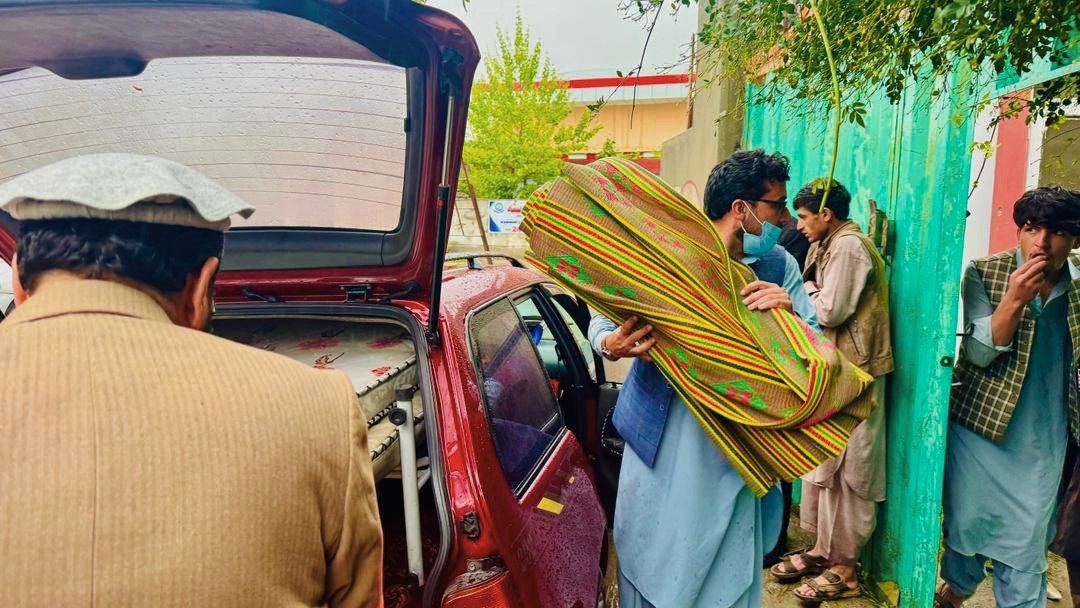
Our teams in Eastern Afghanistan see it happening in real time: access to healthcare is deteriorating.
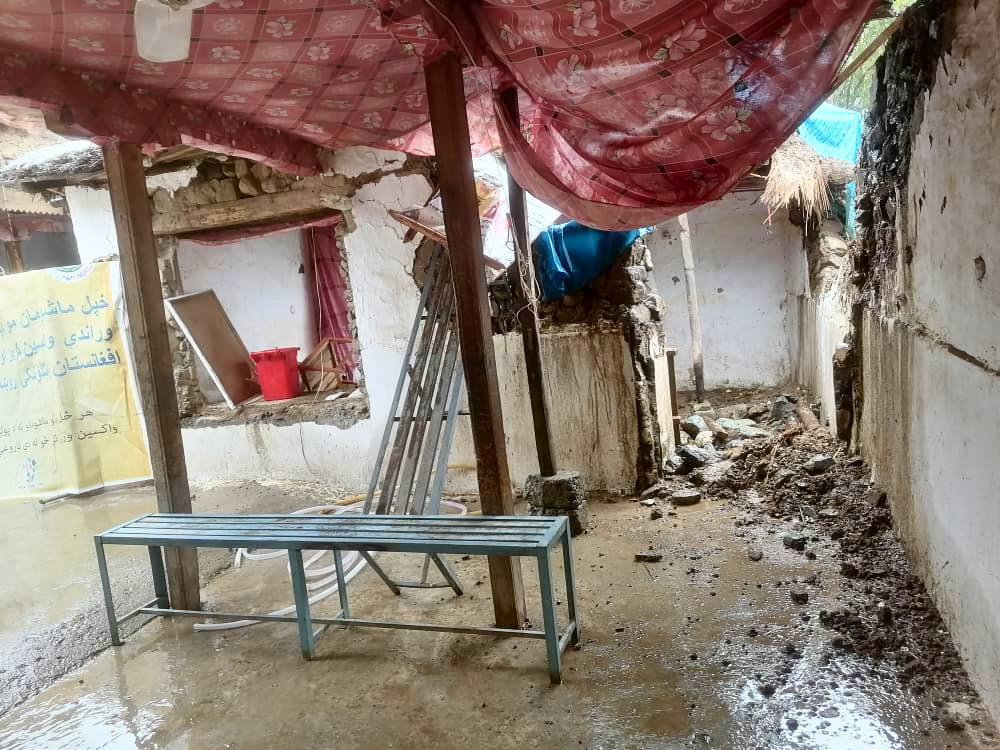
In recent days, 12 HealthNet TPO-supported facilities in Kunar Province have been damaged due to cross-border shelling, flooding and heavy rainfall.
We are dealing with damaged emergency rooms, disrupted maternity care and failing energy systems — while patients continue to arrive.
This is not an isolated incident. It reflects a broader pattern where conflict dynamics and climate-related shocks increasingly overlap, placing continuous strain on already vulnerable health infrastructure.
It is also important to note that less than six months ago, this same region was hit by a devastating earthquake, resulting in over 2,000 deaths, 3,600 injuries and the destruction of more than 8,000 homes. Many communities are still recovering, while new shocks — conflict and climate-related — continue to accumulate.
Impact on healthcare delivery
The impact is immediate and operational:
- Emergency rooms damaged by shelling
- Maternity and consultation rooms affected by flooding and structural damage
- Solar systems disrupted, affecting electricity supply
- Boundary walls damaged, with direct implications for safety and access
Several facilities are now operating at reduced capacity, at a time when needs are rising and service interruptions carry direct health risks.
This comes on top of a rapidly evolving humanitarian context marked by displacement, pressure on basic services and constrained supply chains.
For communities struggling to meet basic needs, these disruptions are not temporary inconveniences — they are life-threatening.