
HealthNet TPO and the Women, Peace and Security (WPS) Agenda

Five years of advancing women’s leadership and psychosocial wellbeing across Colombia and South Sudan

At HealthNet TPO, we believe that sustainable peace begins with healing, both individually and collectively. For more than three decades, our work in conflict-affected contexts has shown that strengthening societies requires more than political agreements; it demands caring for people. By placing mental health and psychosocial support (MHPSS) at the centre of peacebuilding, we address the invisible wounds of war that often prevent communities from moving forward. This holistic approach of linking wellbeing, equality, and participation, makes HealthNet TPO uniquely positioned to advance the Women, Peace and Security (WPS) agenda.

Between January 2021 and December 2025, our programmes in Colombia and South Sudan empowered women as leaders and advocates driving social transformation and reconciliation within their communities.
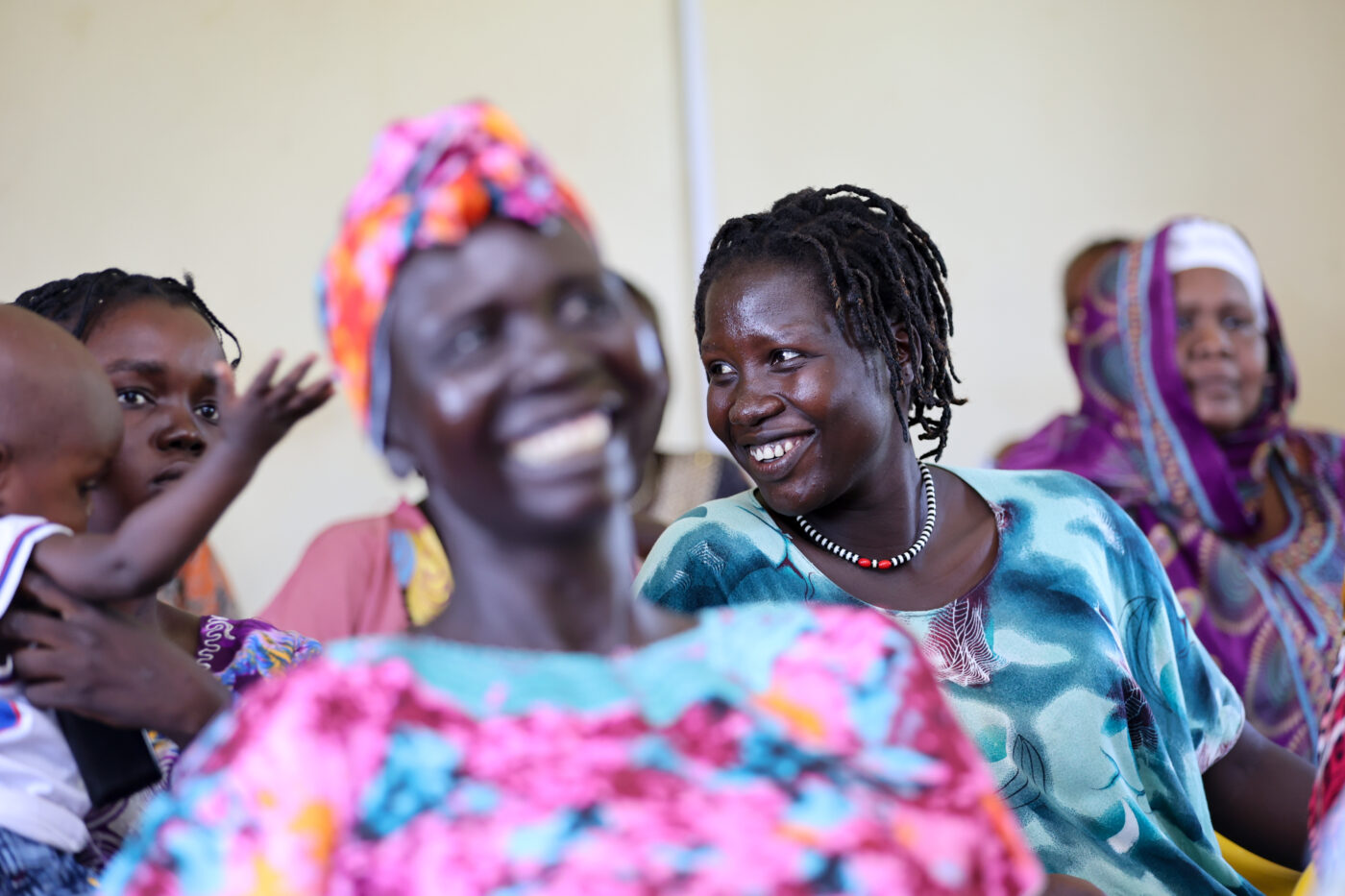
Our WPS programmes

  • Women Advocate Peace (WAP) – Colombia

    After more than five decades of armed conflict, Colombia continues to heal from the deep scars left on its people, especially women, youth, and indigenous communities. Through the Women Advocate for Peace (WAP) programme, HealthNet TPO and its partners strengthened women’s leadership and participation in peacebuilding at local, territorial, and national levels. The programme promoted mental health and psychosocial support as an essential foundation for rebuilding trust, restoring dignity, and fostering resilience and participation in the peacebuilding process among women and their communities. Working closely with community-based organisations such as LIMPAL, the project equipped women to advocate for their rights, access quality care and safe spaces, and influence decision-making processes. In doing so, it helped transform women survivors into leaders, who recognise their value, raise their voices, and inspire others to do the same.

    Read the end of the project evaluation.


  • Leaders of Peace (LOP) – South Sudan

    In South Sudan, where insecurity and harmful gender norms continue to threaten women’s wellbeing and participation, the Leaders of Peace (LOP) project supported women and youth to become agents of change within their communities. By integrating mental health and psychosocial support into peacebuilding, HealthNet TPO enabled women and girls to recover from trauma, strengthen their resilience, and take an active role in shaping a more inclusive future. Central to this work are Psychosocial Focal Points (PFPs), local leaders trained to provide counselling, referrals, and awareness on gender-based violence and self-care. PFPs bridge the gap between community needs and formal services, helping survivors regain confidence and lead initiatives for peace and equality. Through schools, youth networks, and women’s groups, LOP supported the creation of a culture of healing, empowerment, and collective responsibility.

    Read the end of the project evaluation.

The Shared Learning Agenda


Connecting Contexts, Building Knowledge

HealthNet TPO’s Shared Learning Agenda was designed to connect the Women Advocates for Peace and Leaders of Peace programmes, creating a structured space for reflection, exchange, and analysis between Colombia and South Sudan.

Over five years, the teams learned and exchanged not only through a series of workshops, but also through continuous dialogue, the creation of dedicated materials and campaigns, webinars, interviews, and participation in global events — including the Geneva Peace Week 2025 — all of which strengthened collective understanding and solidarity. Guided by key learning questions derived from the projects’ theory of change, the process explored how community-based psychosocial support empowers women, how local groups influence national agendas on MHPSS and gender-based violence, and how wellbeing itself becomes a foundation for peace advocacy.

The Shared Learning Agenda reaffirmed a central truth of HealthNet TPO’s work: no matter the context, mental and psychosocial wellbeing lies at the heart of sustainable and lasting peace. It has not only generated insights to inform future Women, Peace and Security programming, but has also demonstrated that while approaches must remain locally grounded, the principles of care, dignity, and participation truly transcend borders.

From Shared Learning to Policy Influence

The 5-year timespan of the Shared Learning Agenda culminated in three interconnected workshops that served as the foundation for a comprehensive report demonstrating the positive impact of integrating mental health and psychosocial support (MHPSS) into the Women, Peace and Security (WPS) agenda. Each workshop built upon the other: from exploring local contexts and methodologies, to reflecting on implementation practices, and finally to examining how psychosocial wellbeing shapes advocacy and policy.

The findings and insights generated through this process were consolidated into a set of policy recommendations to the Dutch government, advocating for the systematic inclusion of MHPSS within the Dutch National Action Plan on Women, Peace and Security (NAP). By linking field experience from Colombia and South Sudan to policy-level learning, HealthNet TPO reinforces its commitment to ensuring that the emotional and social dimensions of recovery are not peripheral, but central, to sustainable peacebuilding.

Presenting the Shared Learning Agenda at the Geneva Peace Week 2025

Our Geneva Peace Week session marked an important step in demonstrating the impact of HealthNet TPO’s shared learning agenda, showing how insights from different contexts can inform global peace policy and practice. With speakers from South Sudan and Colombia, alongside representatives from the Netherlands Ministry of Foreign Affairs, IOM, and MHPSS experts, we explored how integrating mental health and psychosocial wellbeing strengthens peacebuilding efforts.

Drawing on experiences from Leaders of Peace in South Sudan and Women Advocates for Peace in Colombia, the discussion showcased how MHPSS approaches help address trauma, rebuild trust, and foster inclusive participation in peace processes. The session reflected the power of cross-country learning, translating shared evidence into action and placing wellbeing at the heart of sustainable peace.

Policy recommendations to the Dutch Government

Proofs that Mental Health and Psychosocial Support (MHPSS) integration into Women, Peace and Security (WPS) Agenda programming makes the difference no matter what context, with results from Colombia and South Sudan.

Other products

As part of our commitment to advancing the Women, Peace and Security (WPS) agenda, HealthNet TPO has actively contributed to global knowledge-sharing on the integration of Mental Health and Psychosocial Support (MHPSS) within peacebuilding and protection programmes. Throughout the five-year lifespan of the project, we have produced a wealth of knowledge that has informed webinars and learning exchanges in collaboration with established platforms such as MHPSS.net. This work not only strengthens our own programming, but also supports partners, policymakers, and practitioners in designing more holistic and sustainable WPS interventions.